Blog
Notes for founders on investor lists, research, emails, introductions, and how to run a raise.
The list
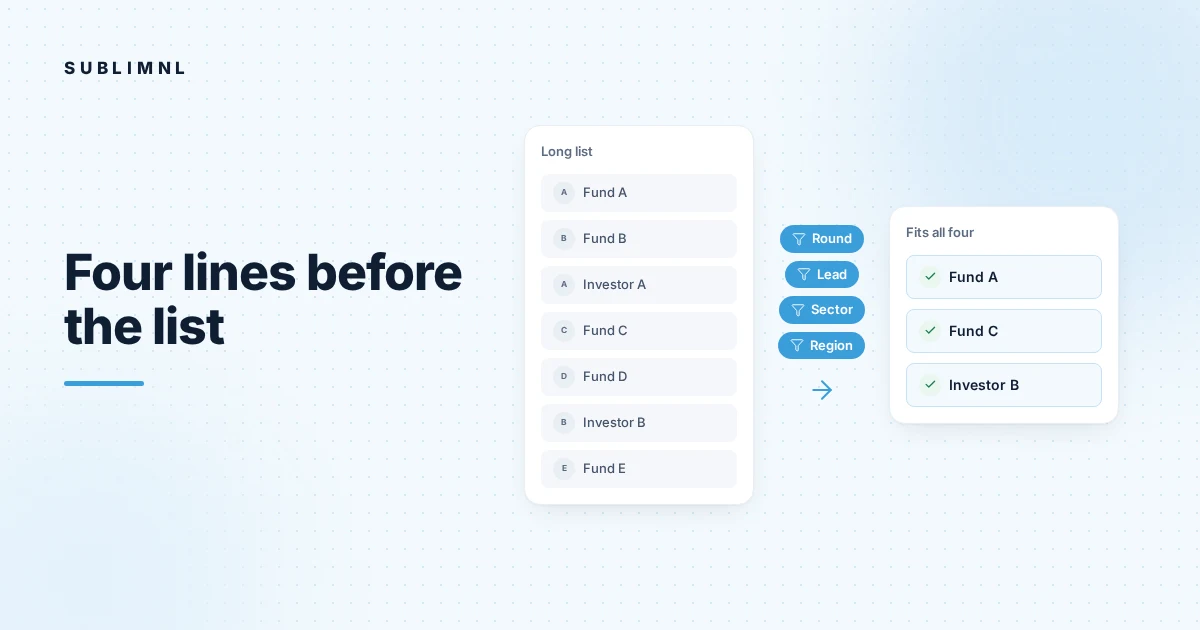
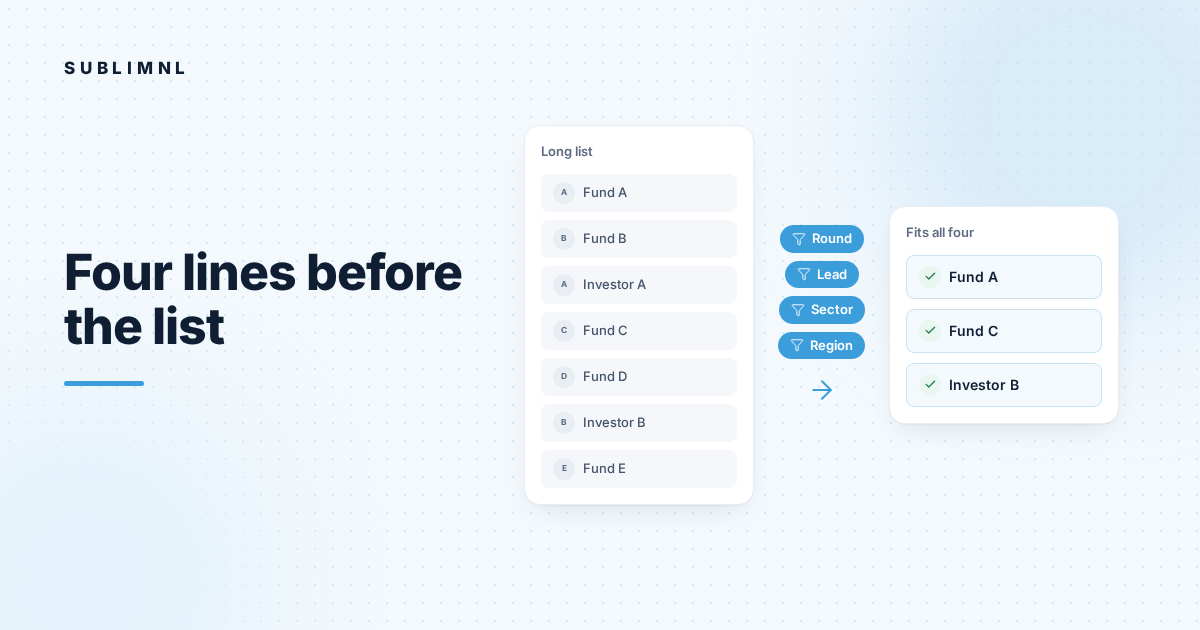
Write four lines before you build an investor list
Before you build an investor list, write four lines: round and size, who leads, your sector in one phrase, and where you are. Every name must match all four.
The list
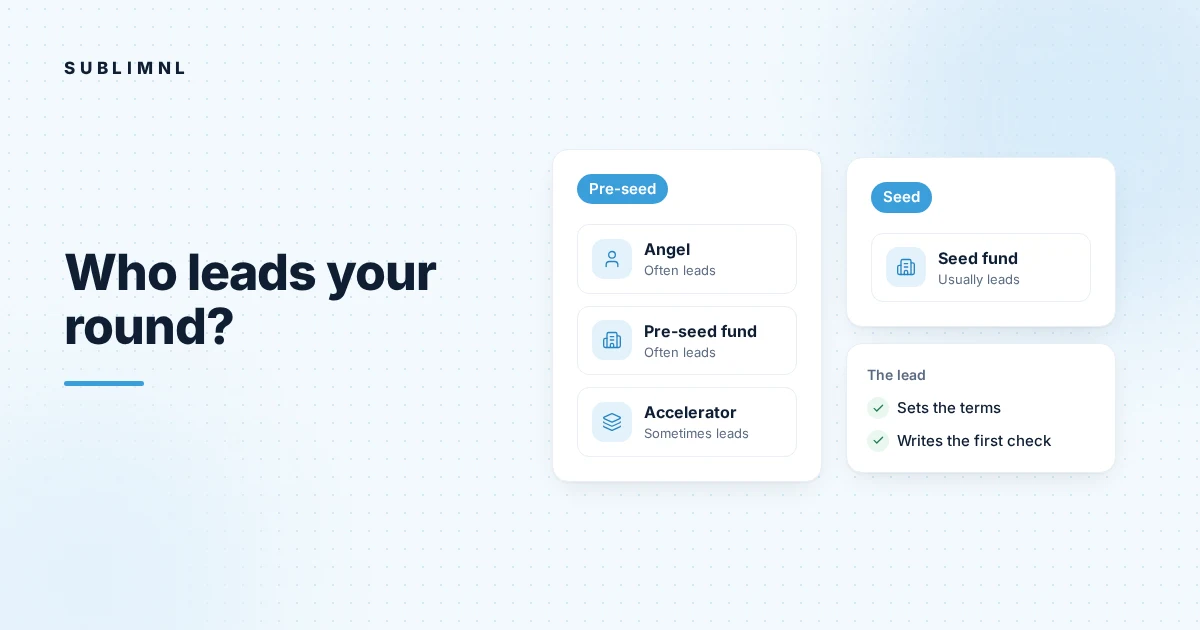
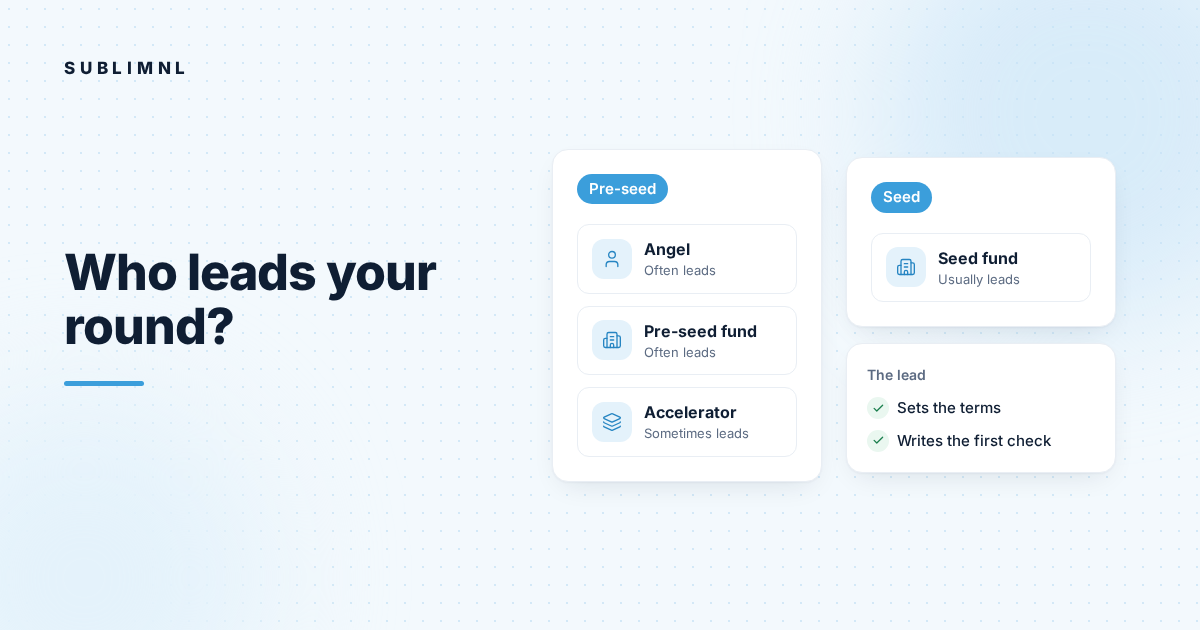
Who leads your round? Lead investors at pre-seed and seed
What a lead investor does, who usually leads at pre-seed versus seed, and why a list of firms that don't lead your stage is just a longer list of no's.
Research
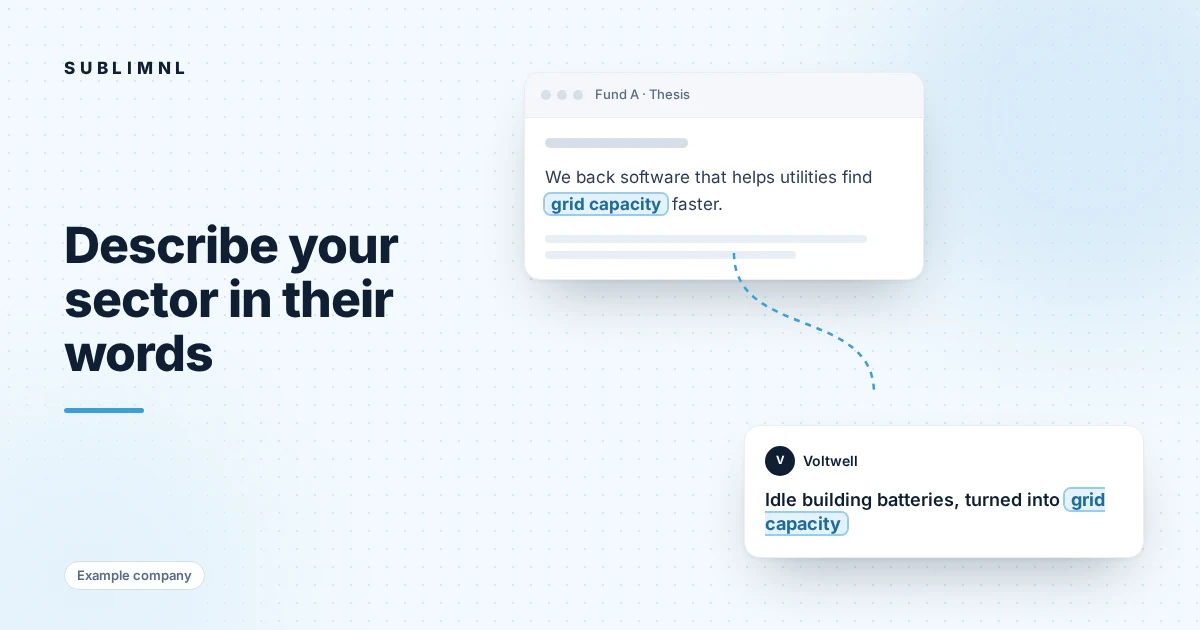
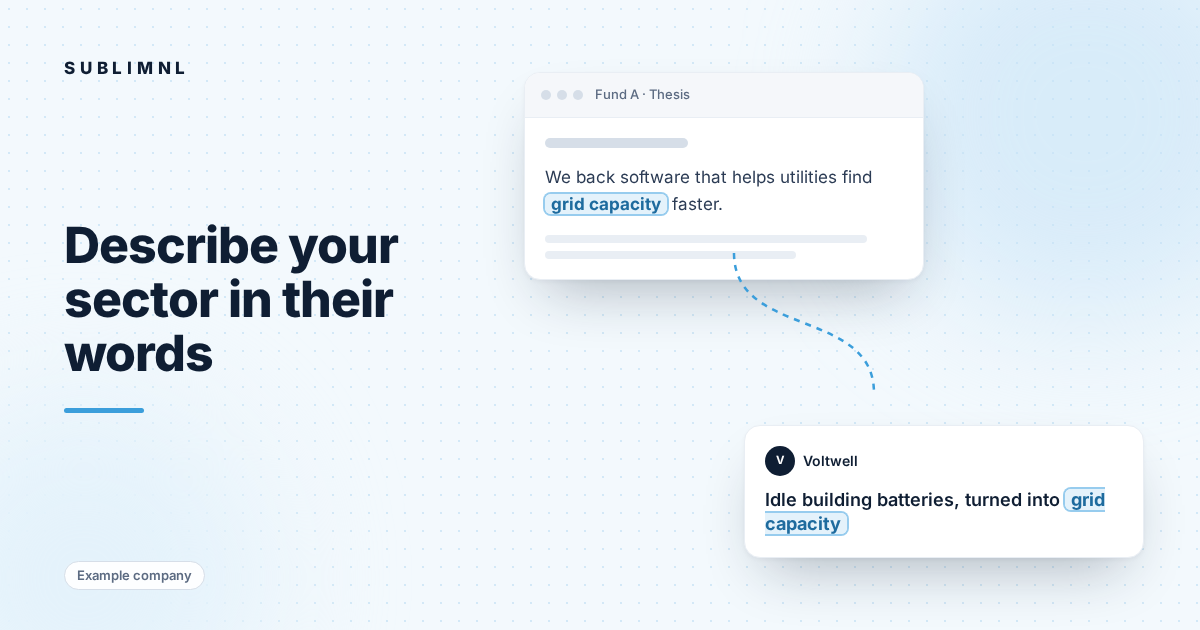
Describe your sector the way investors write their thesis
How to read a VC investment thesis and describe your sector in the one phrase an investor would use, so the fit is clear before they open your pitch deck.
The list
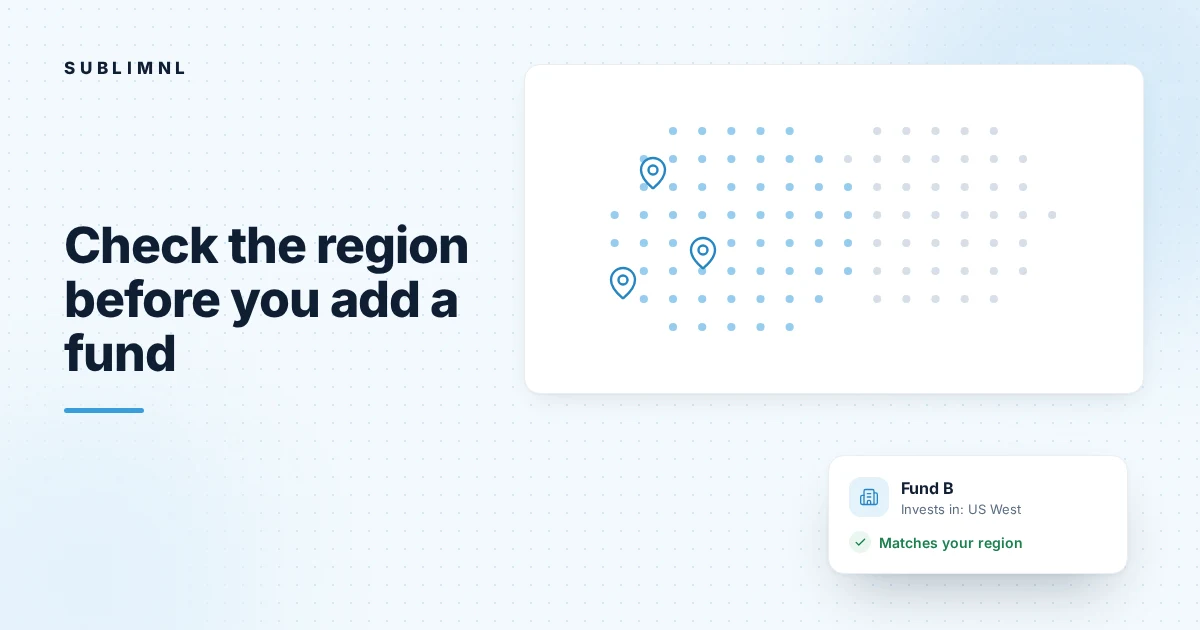
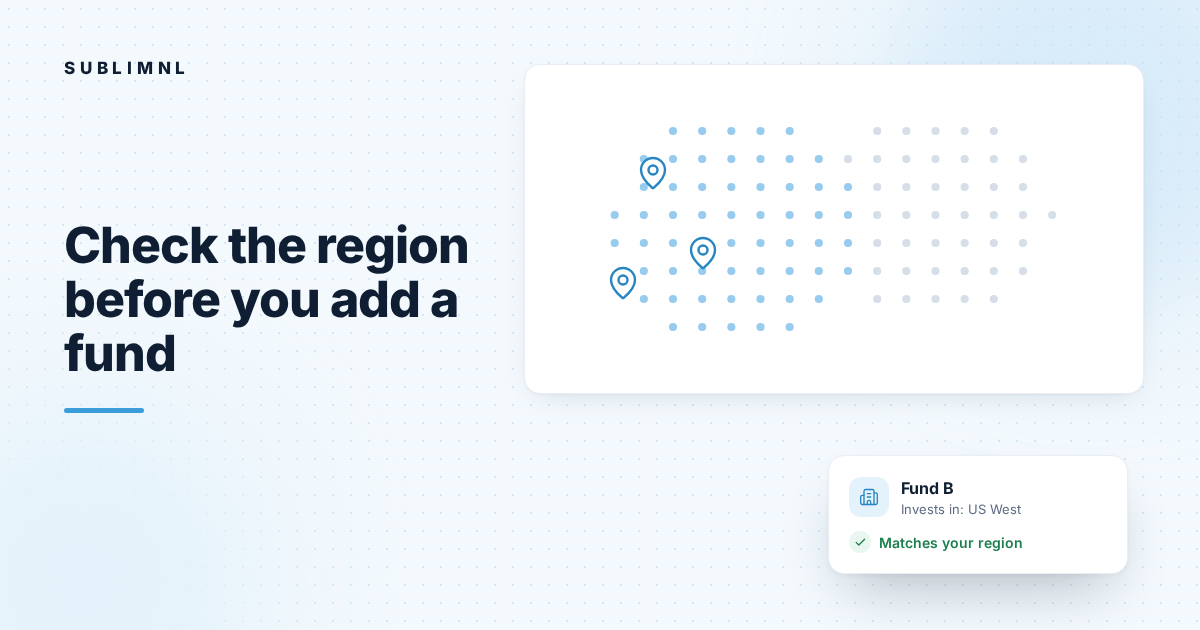
Check the region before you add a fund to your list
Some funds only invest in certain countries or regions. Here's how to check a fund's geographic focus and find local investors who back companies where you are.
Research
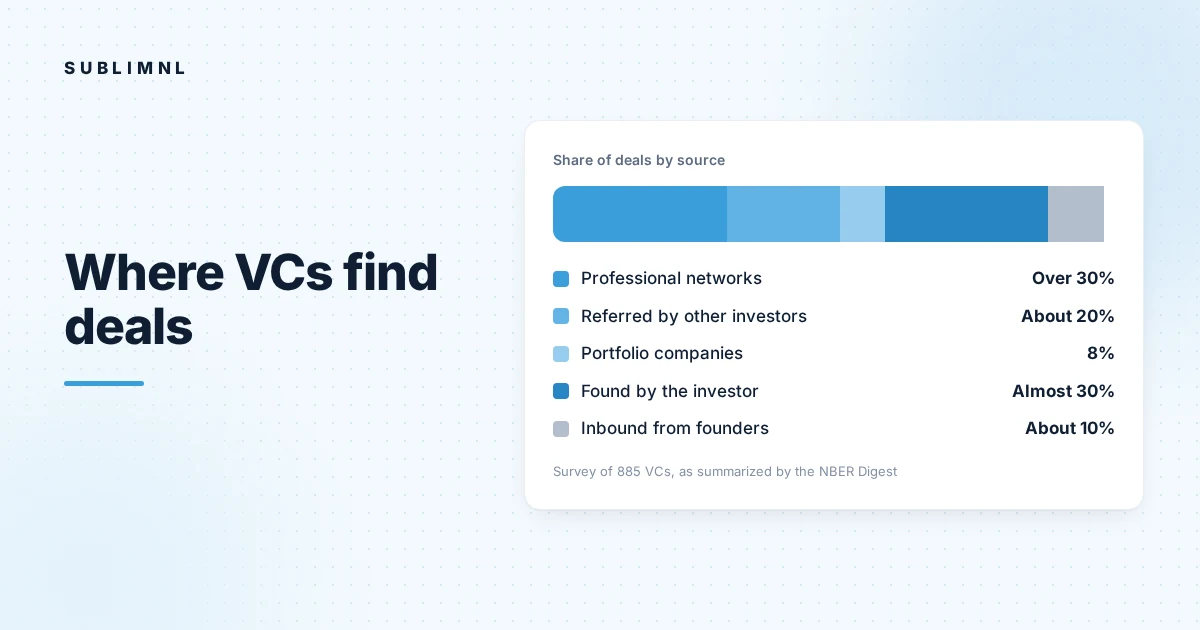
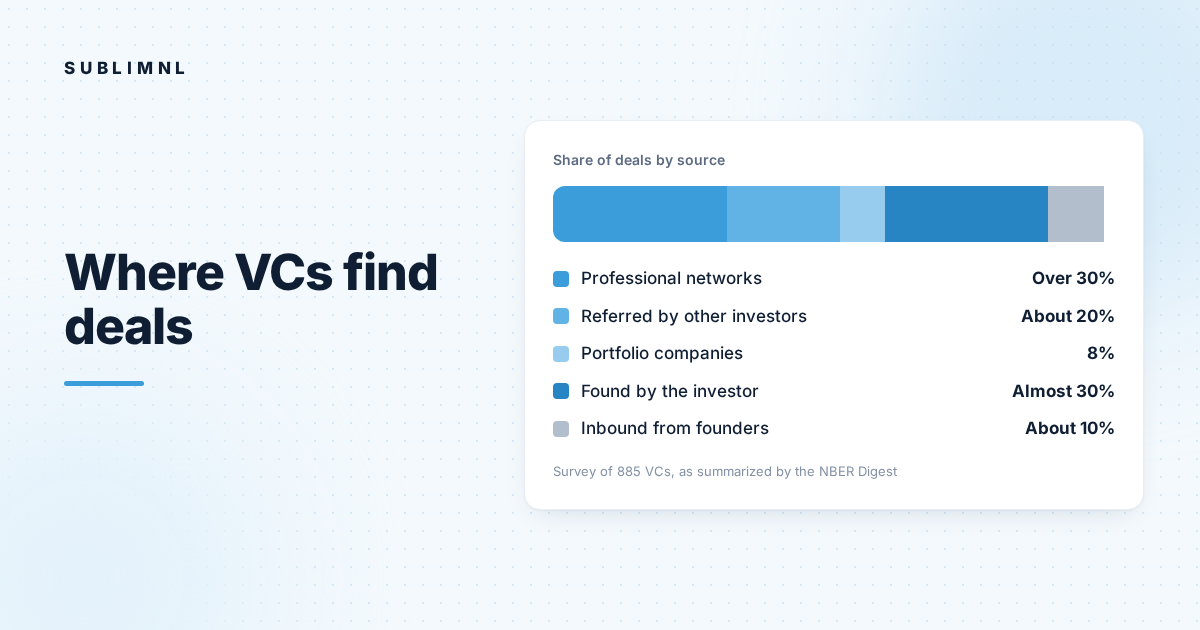
Where venture capitalists find deals, according to a survey of 885 VCs
A survey of 885 VCs found about 10% of deals came from inbound founder pitches. Here's where the rest came from and what it means for how you reach investors.
Introductions
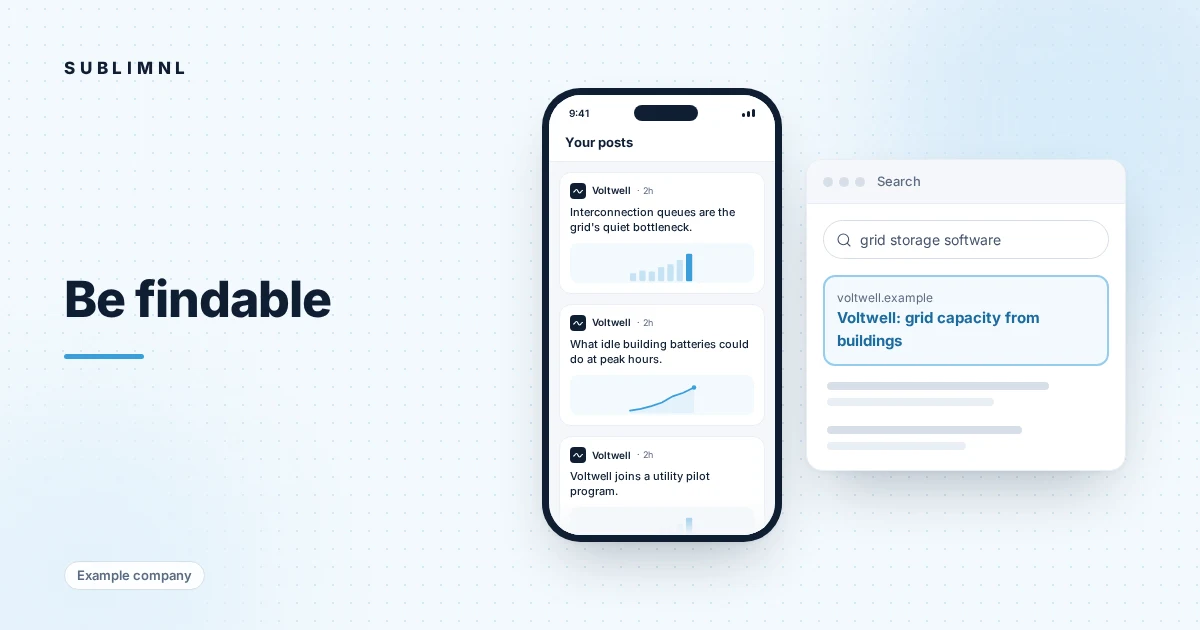
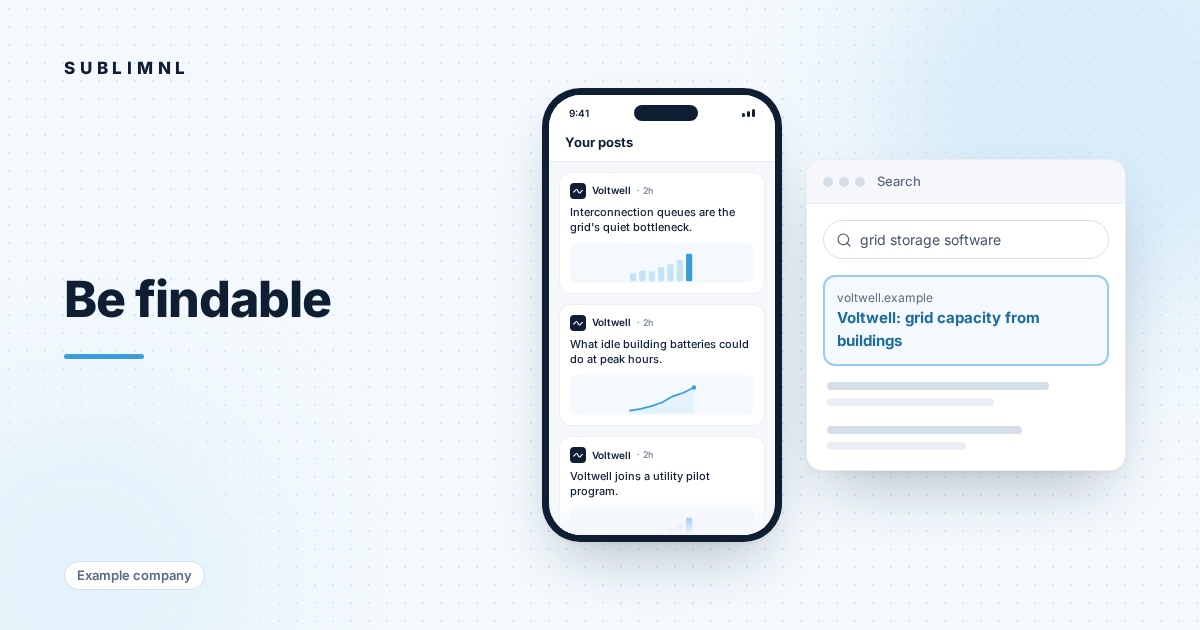
Be findable: investors go looking for deals themselves
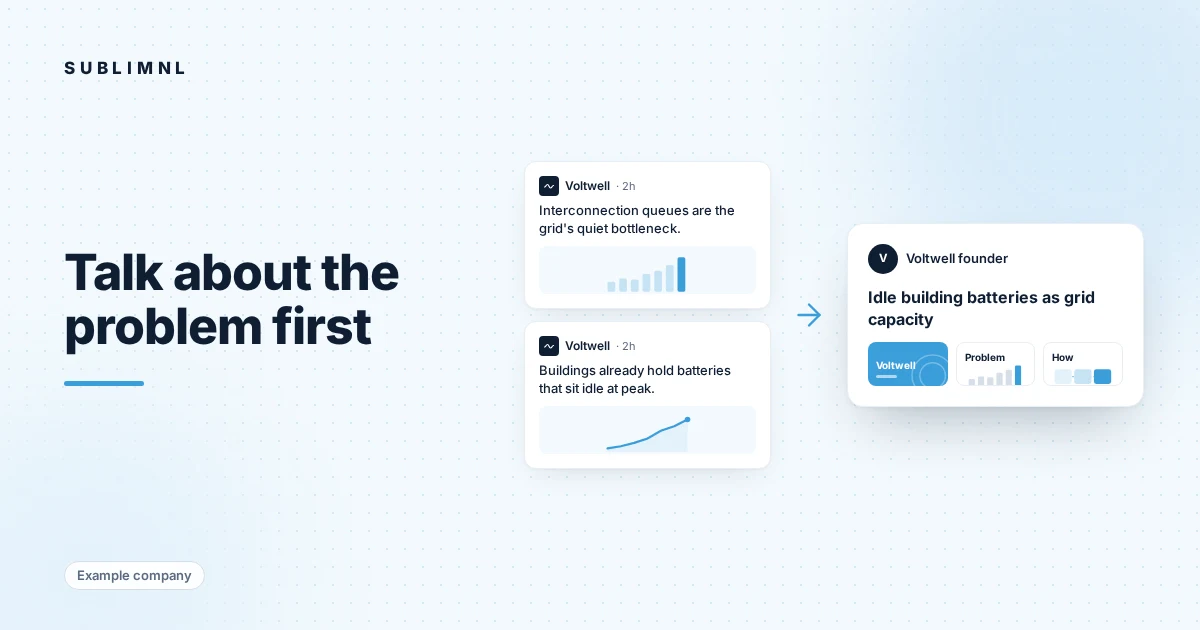
Investors find many deals themselves. How to be findable: post about your market, publish real news, and let the problem get talked about before your deck.
Research
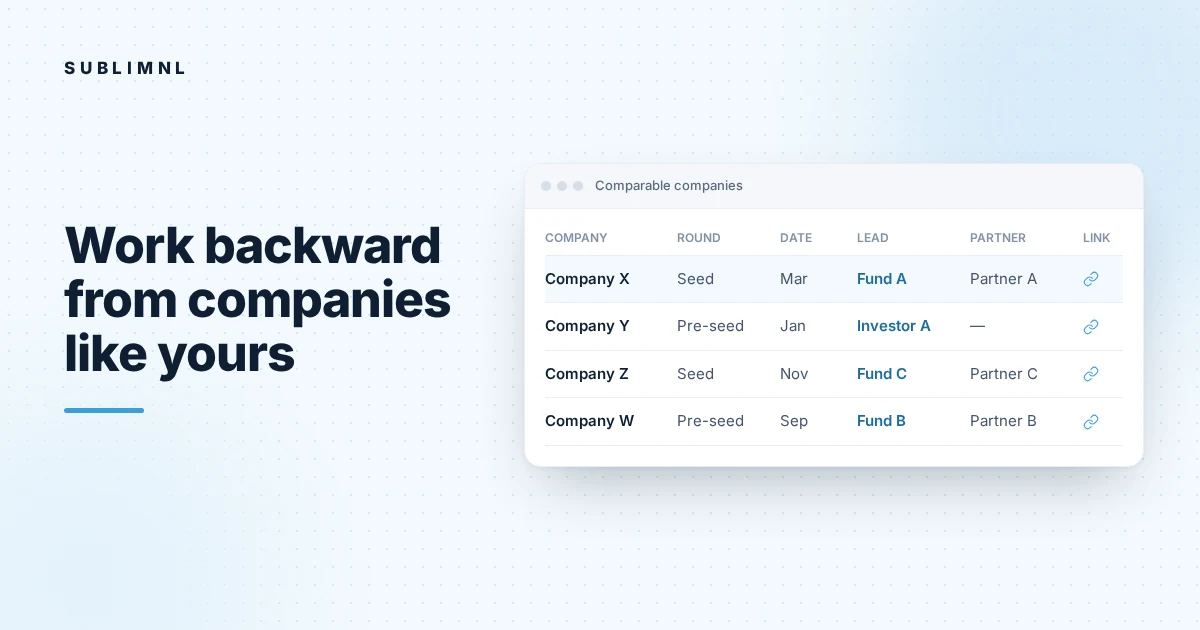
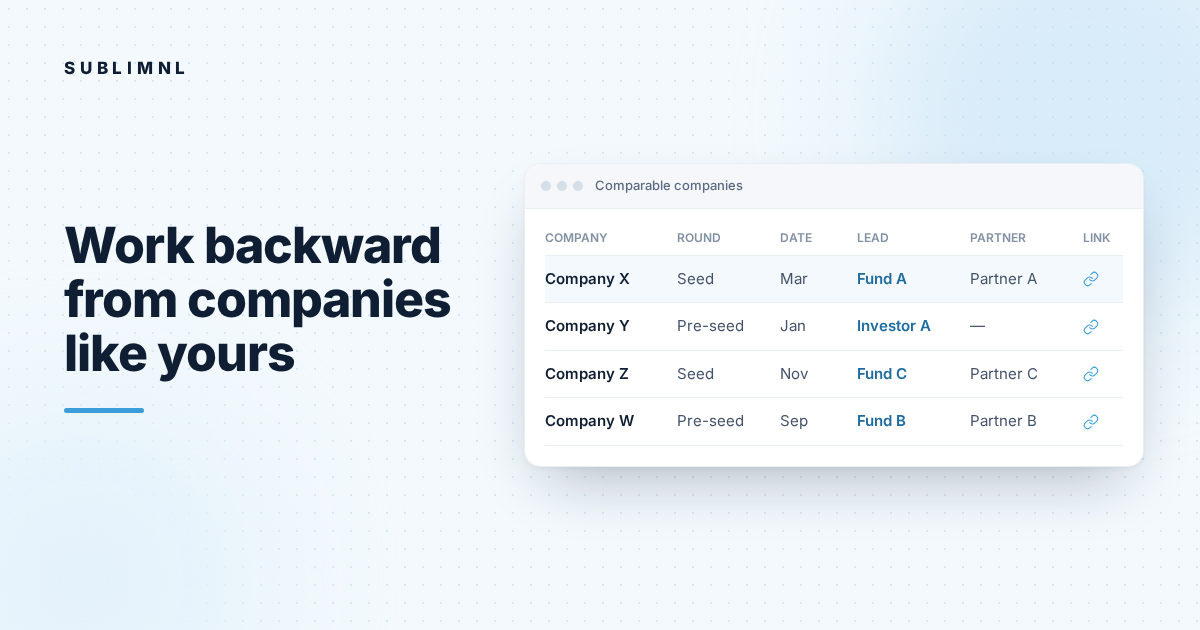
Find investors by working backward from companies like yours
For a short list of investors, find startups like yours that raised the same round recently and note who led. Here's how to trace the lead investor for each.
Research
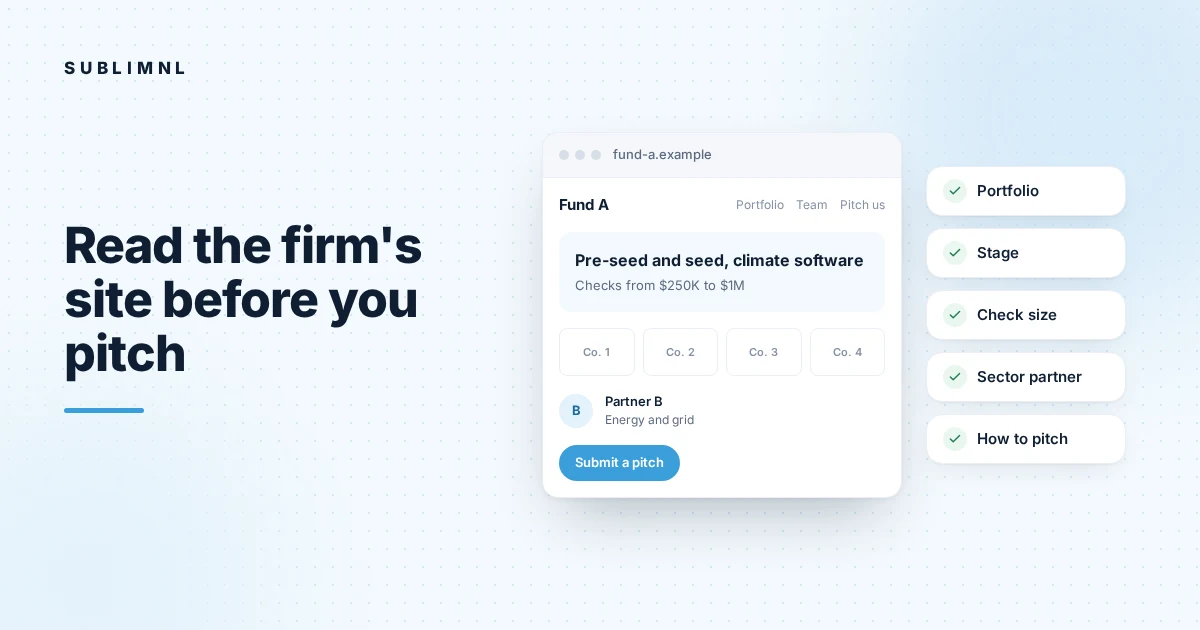
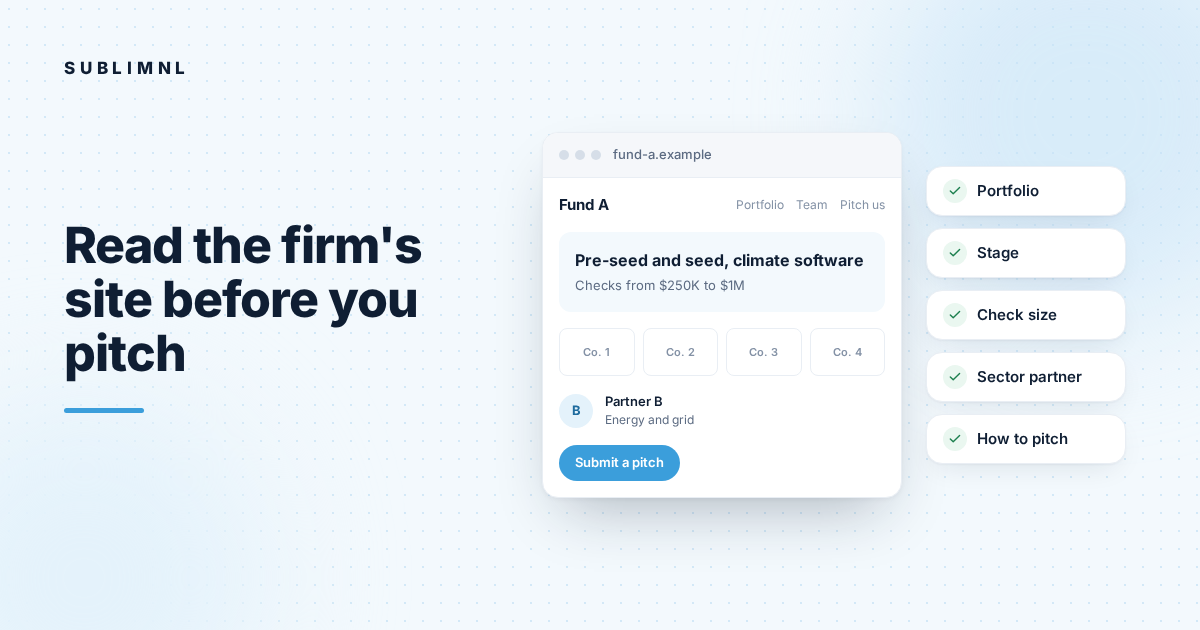
What to read on a VC firm's website before you pitch
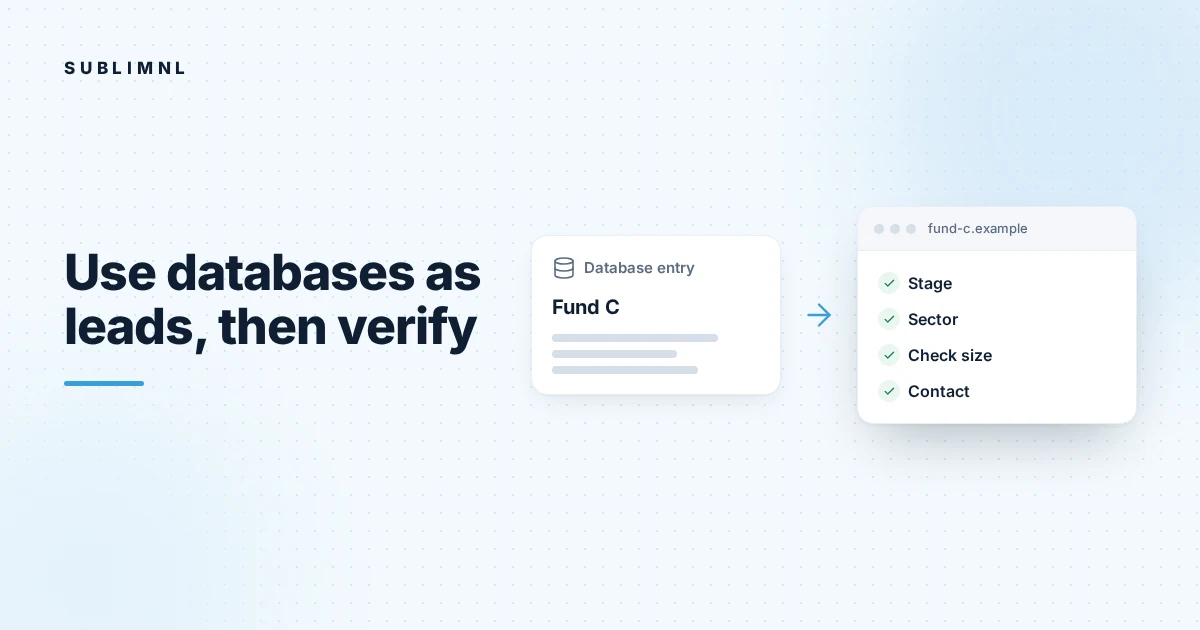
Before you pitch, read the VC portfolio on the firm's own site, then its stated stage and check size, the partner for your sector, and how it takes pitches.
Research
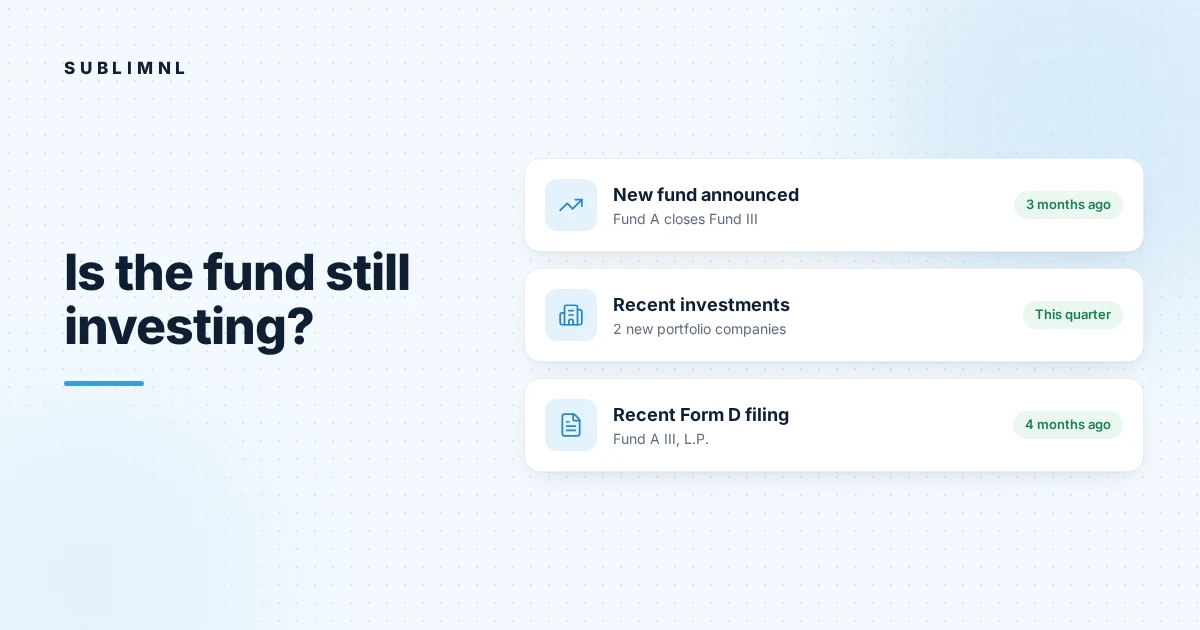
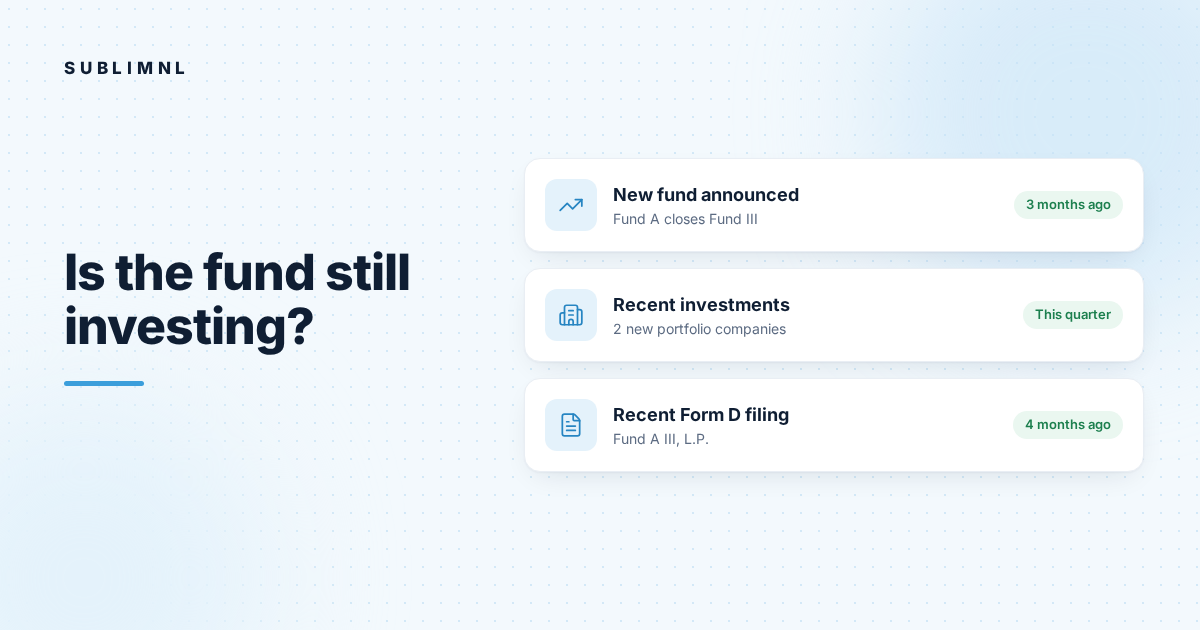
How to tell if a VC fund is actively investing
A fund that raised recently is still writing checks. Here's how to spot new venture capital funds using fund announcements, recent deals and SEC filings.
Filings
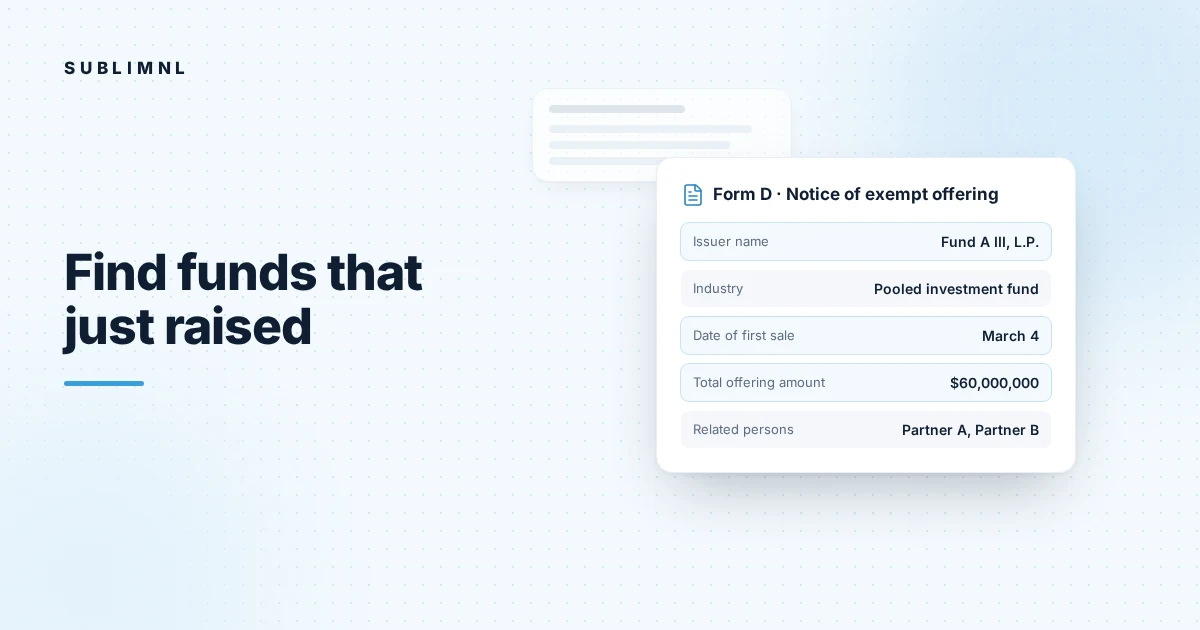
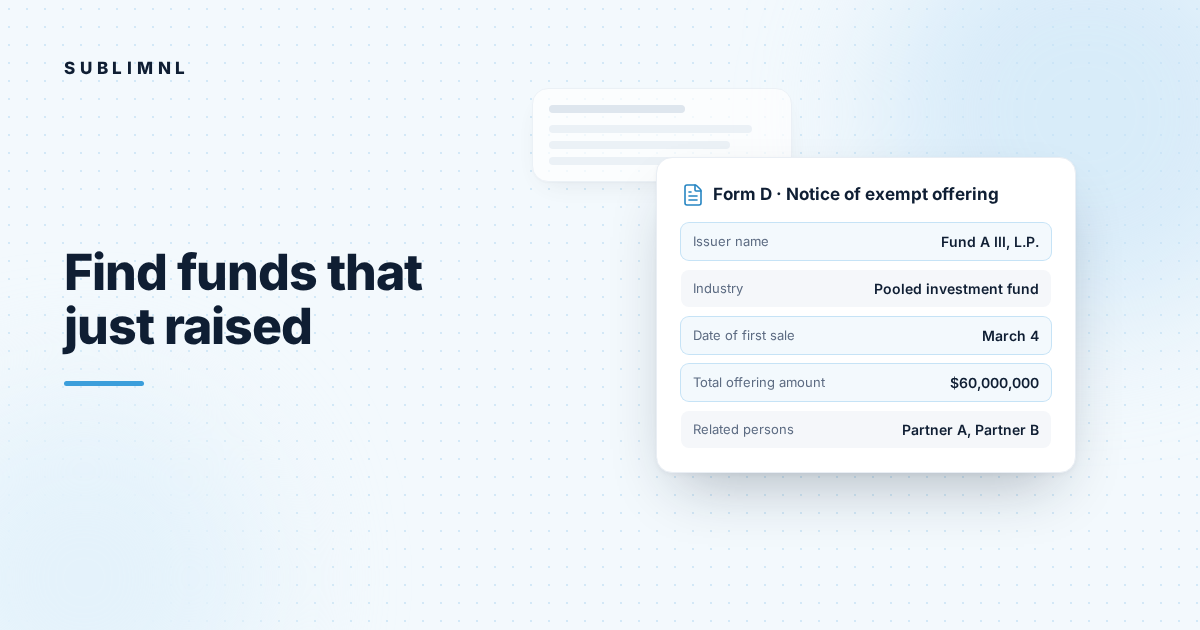
How to search SEC Form D filings to find funds that just raised
Many US venture funds file an SEC Form D when they raise. How to find filings with EDGAR full text search, what they show, and how to use them on your list.
Research
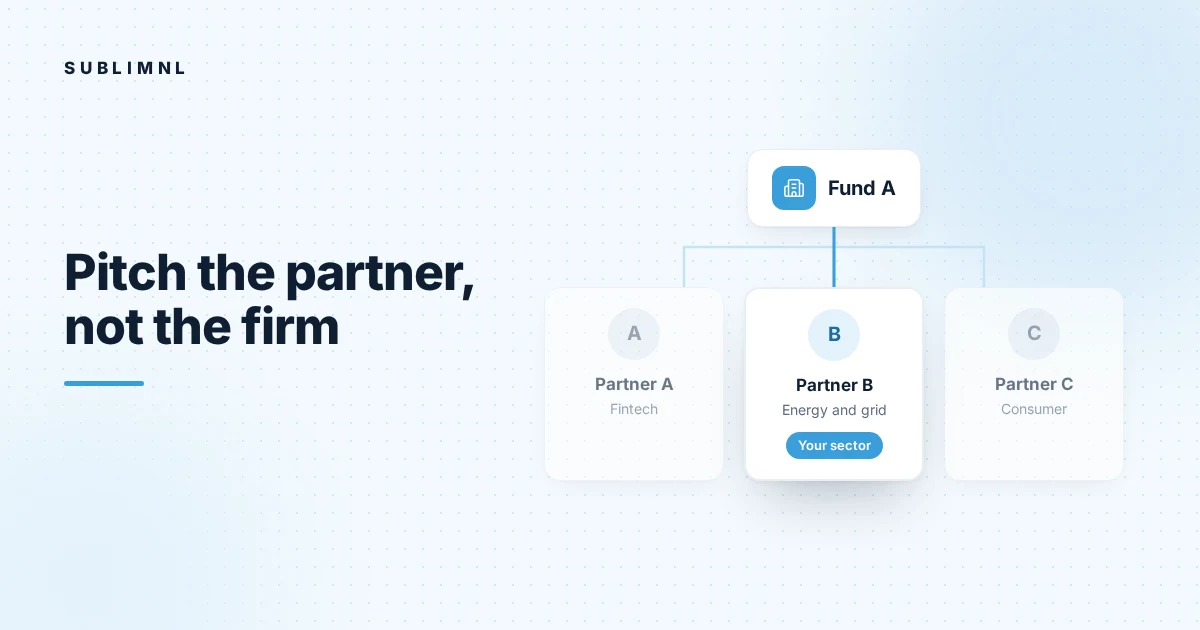
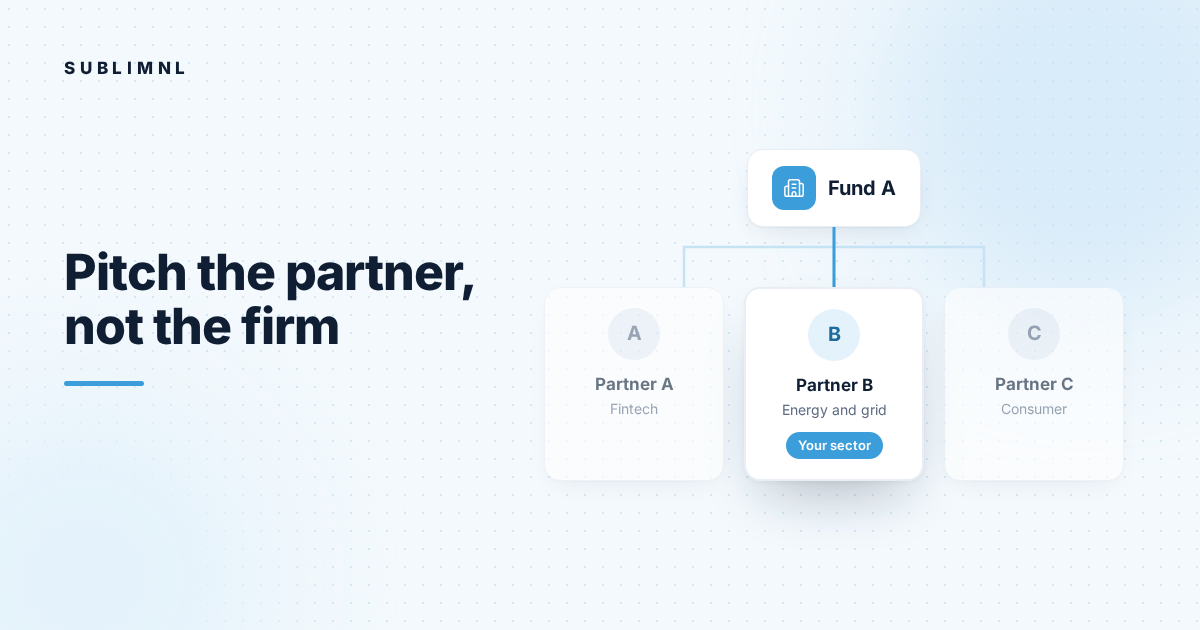
Pitch the partner, not the firm
One venture capital partner usually covers your sector. How to find the right one and turn their posts, talks and past deals into a first line that fits.
Email
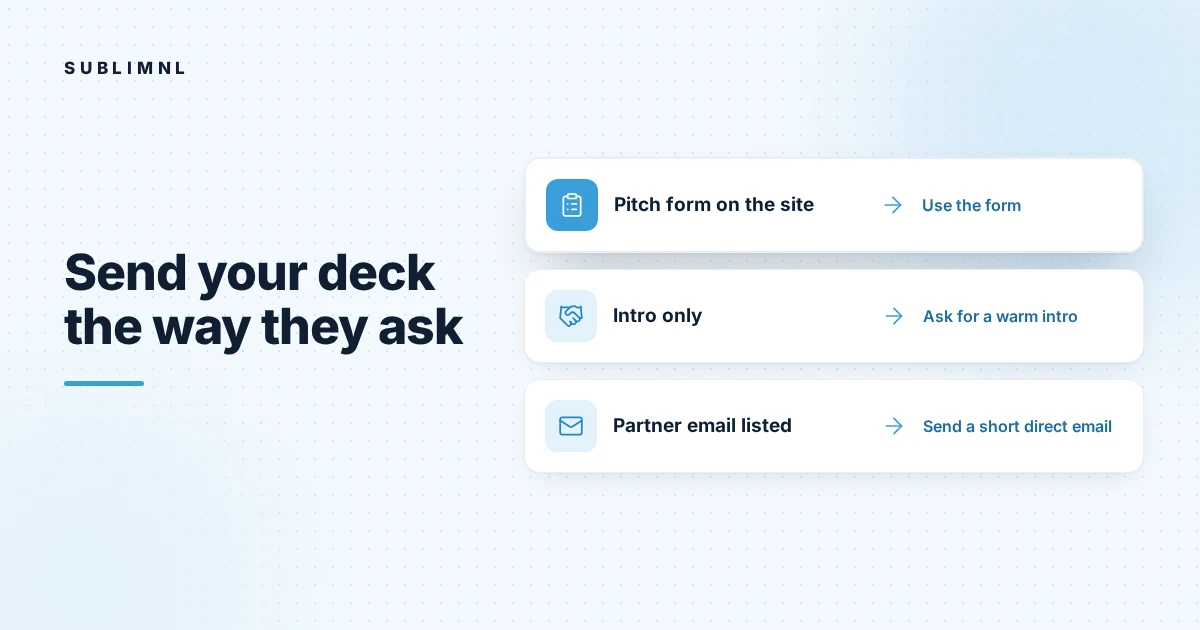
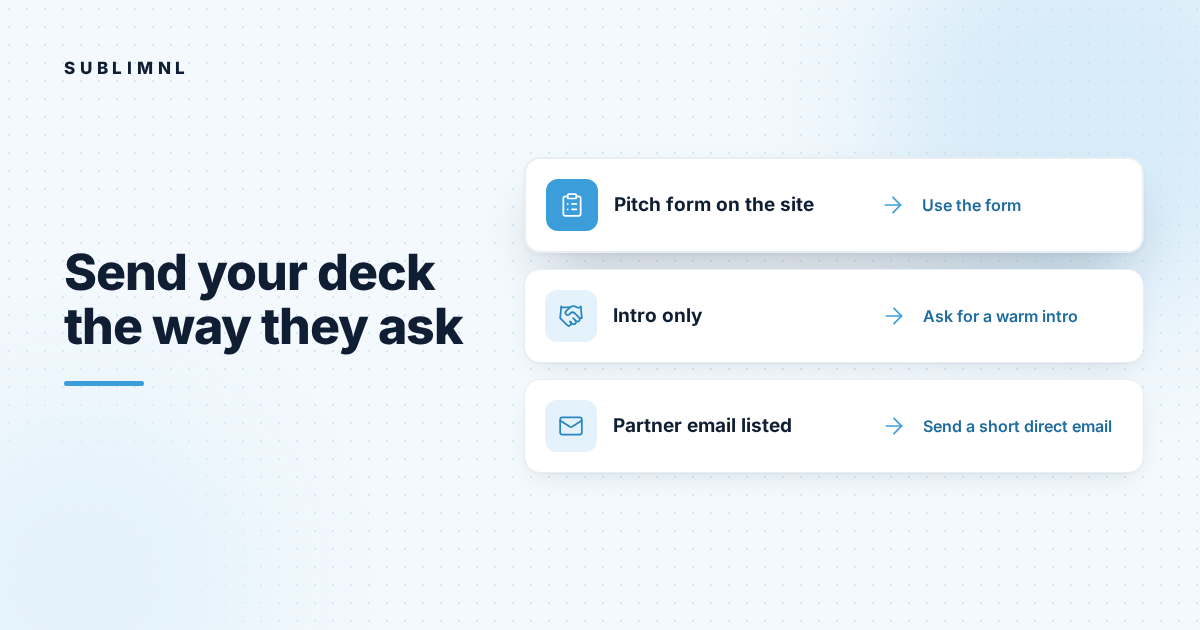
Pitch forms and intro-only firms: send your deck the way they ask
Some VC firms only take decks through a form, others only through intros. How to find out how each firm wants to be reached and submit your deck that way.
Angels
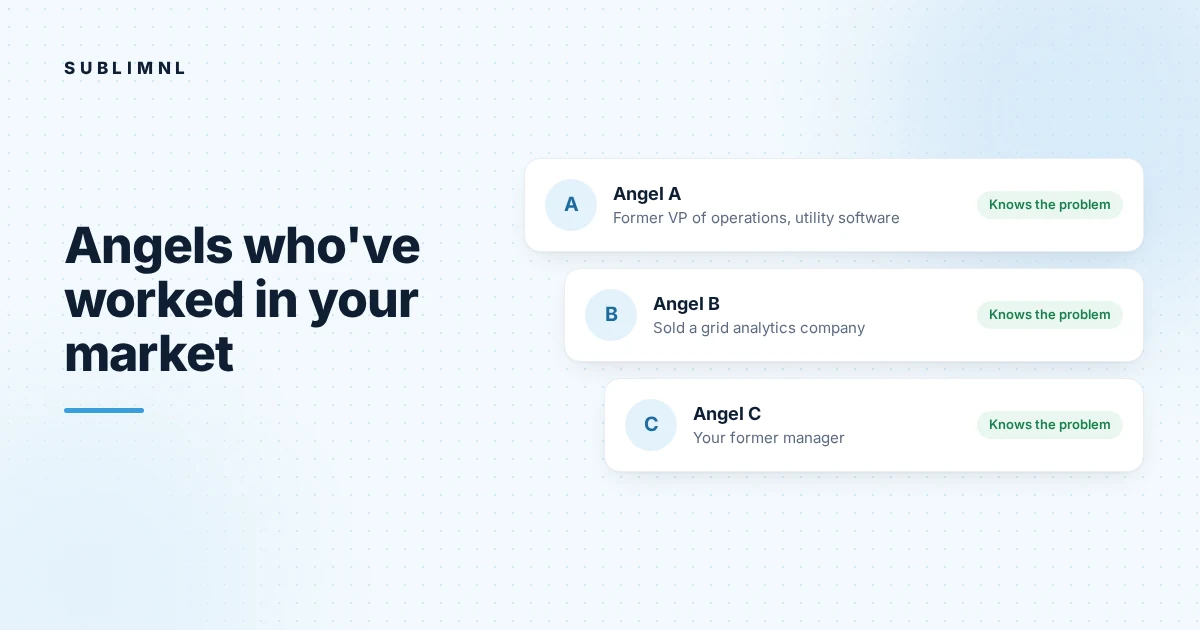
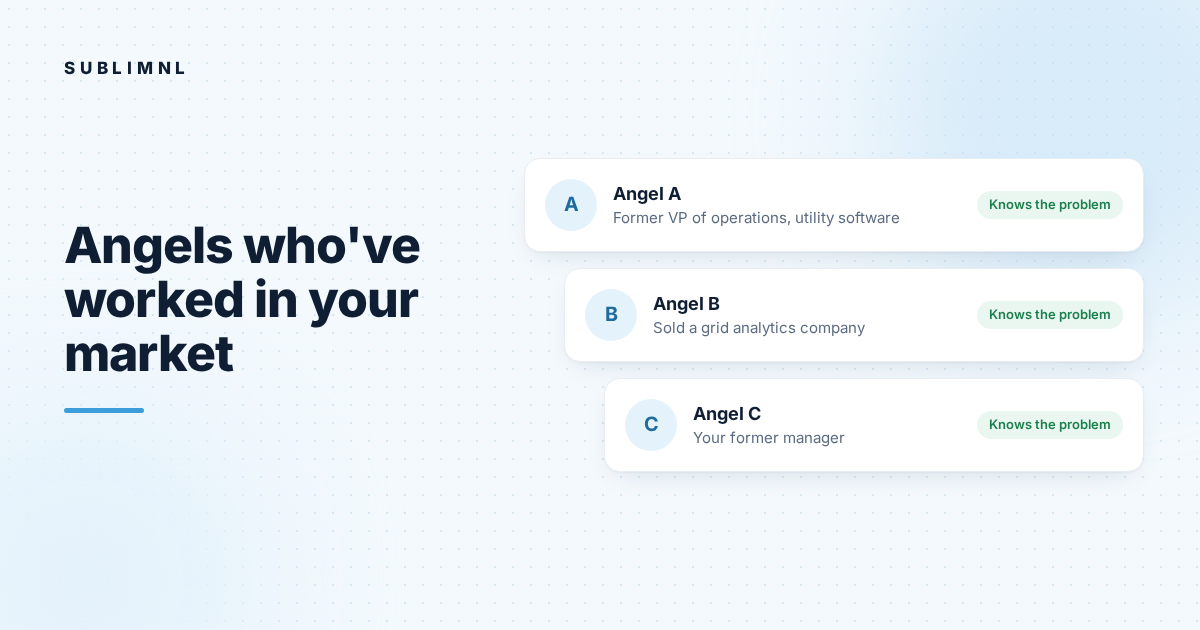
How to find angel investors who've worked in your market
Former founders and executives in your industry get your problem fastest and often invest at pre-seed. How to find angel investors who've done the work.
Introductions
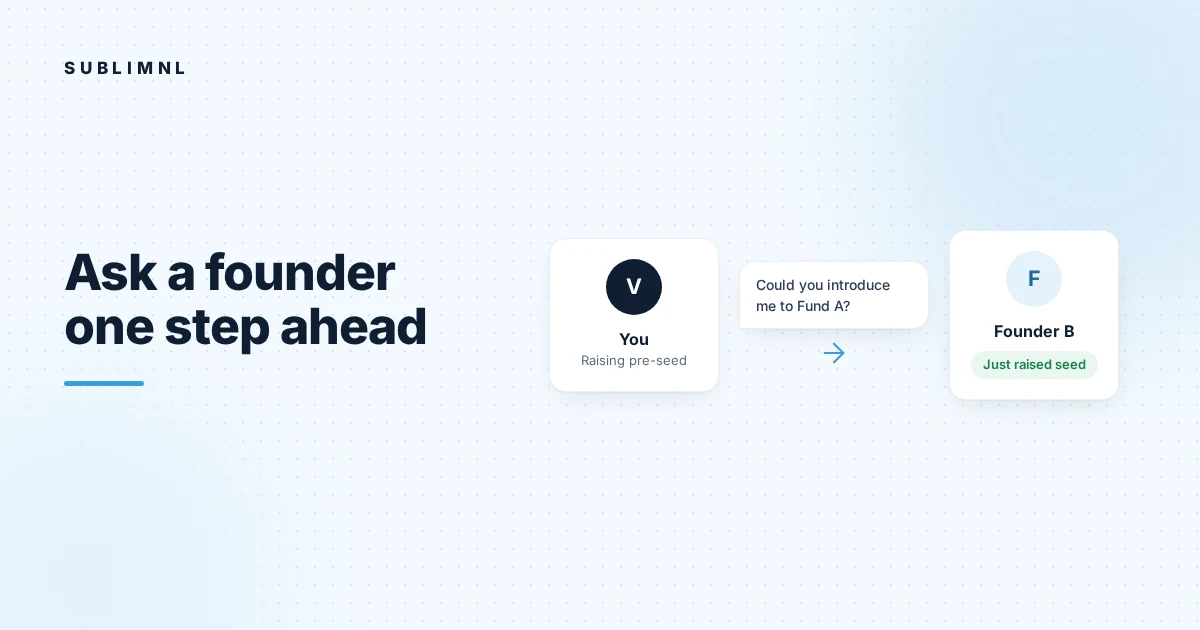
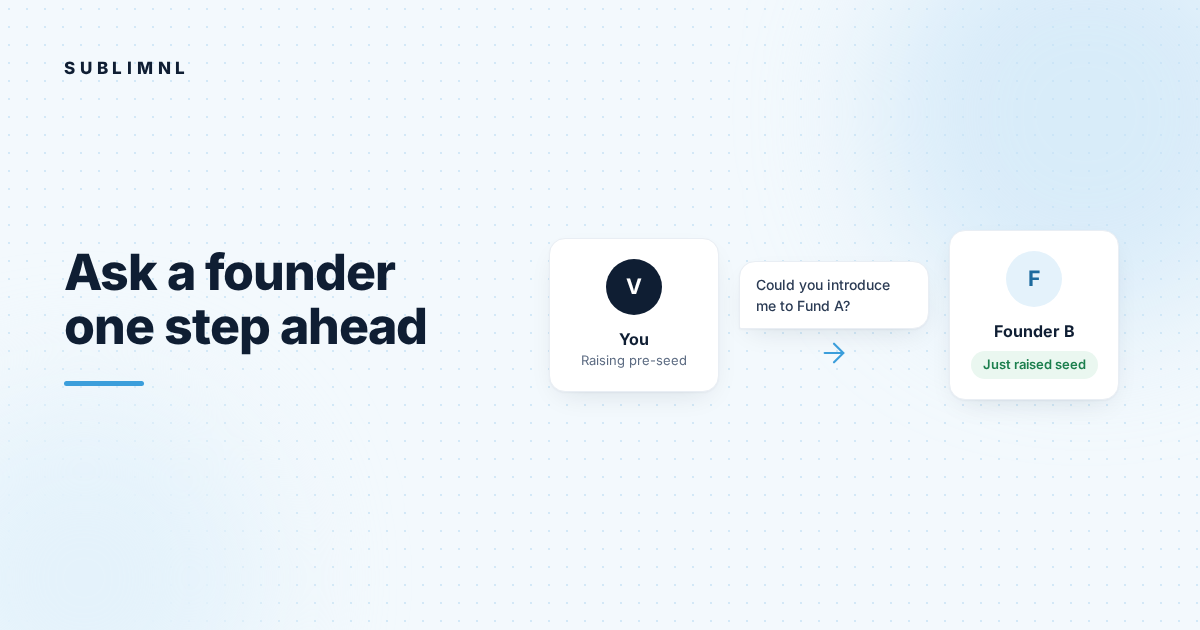
Founders who just raised can be your best next introduction
Founders who raised recently often invest as angels and can introduce you to their investors. How to ask them in a way that's easy to say yes or no to.

Angels
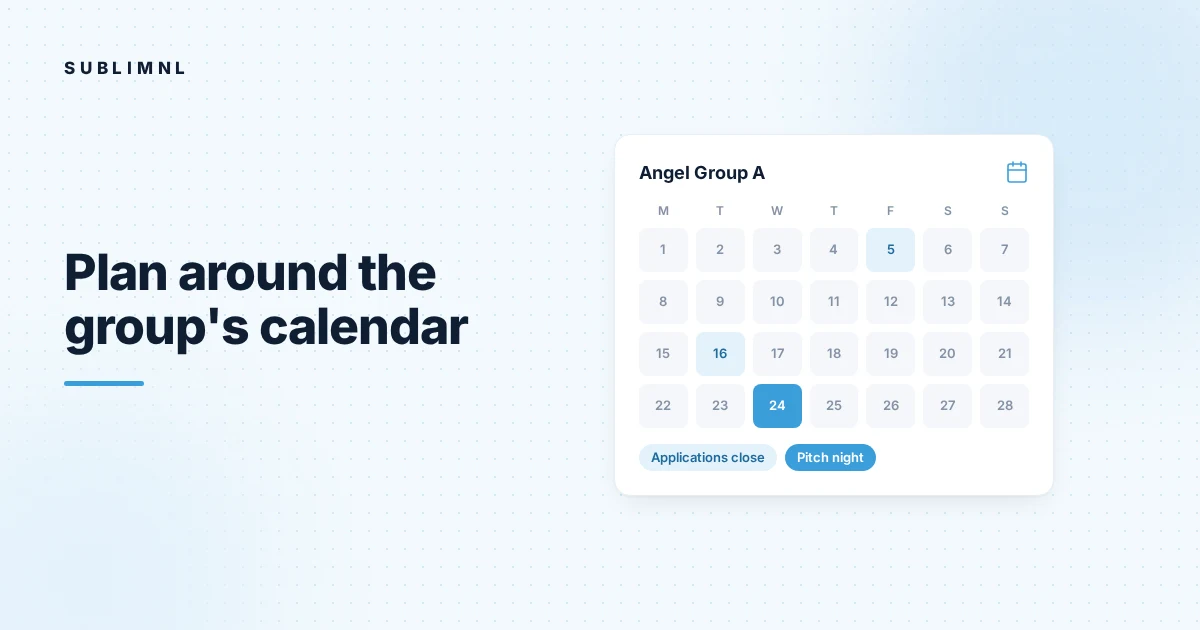
Angel groups and syndicates: applications, calendars and fit
How an angel syndicate differs from an angel group, why many have an application and a fixed pitch schedule, and how to apply and plan your raise around them.
Angels
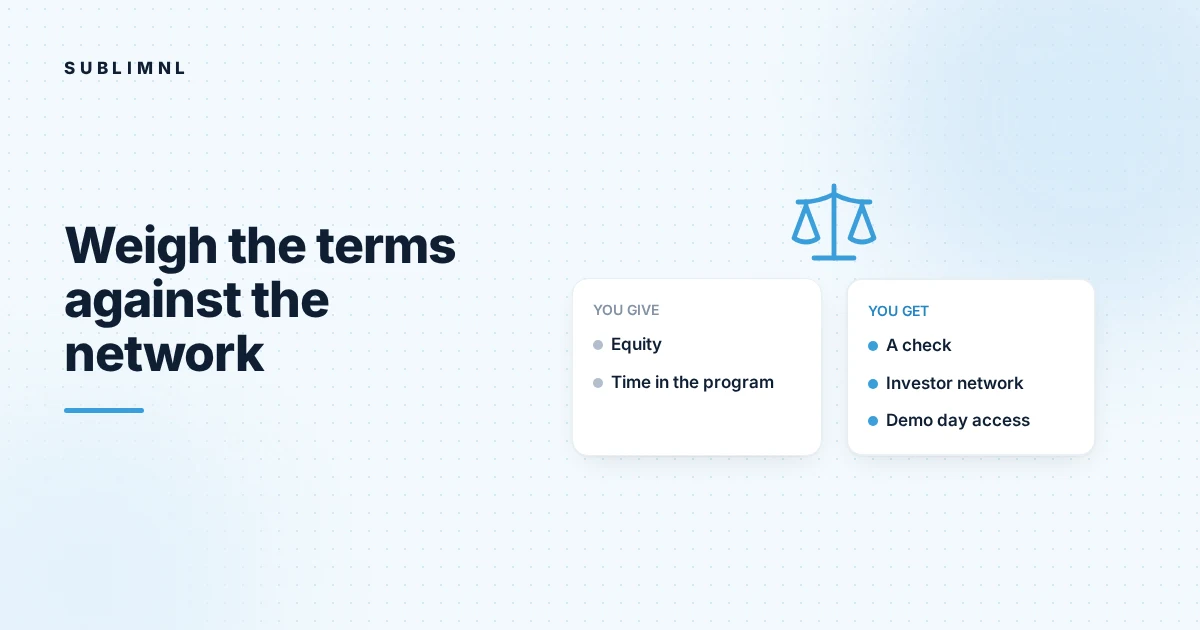
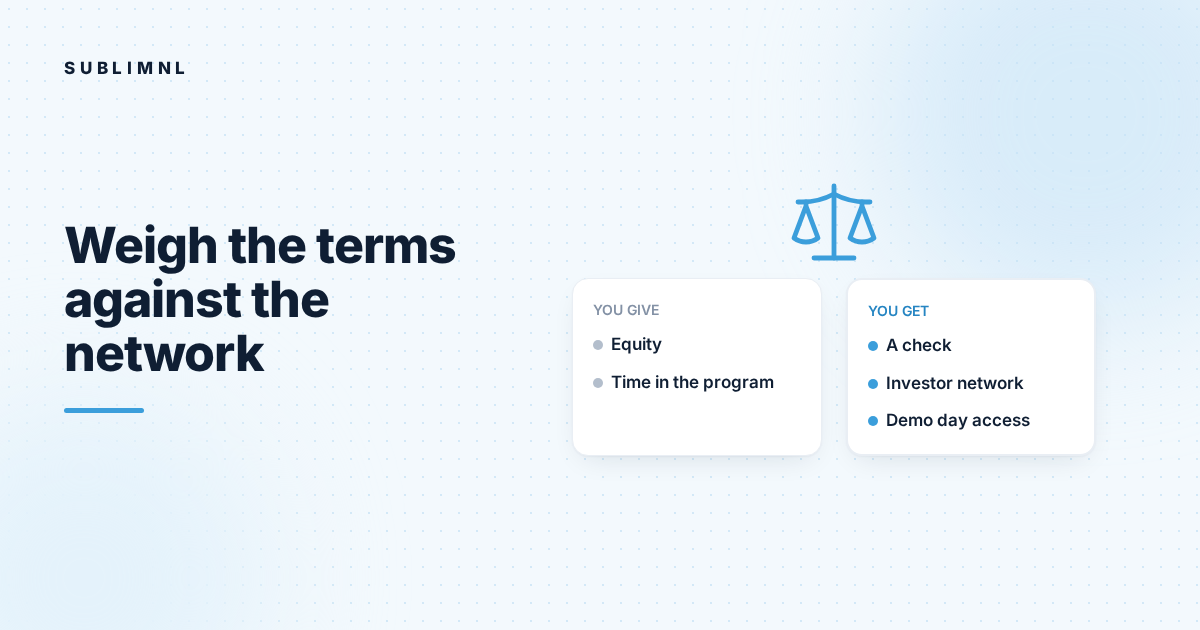
Is an accelerator worth it? Weigh the terms against the network
Accelerators invest early and introduce you to investors at demo day, but they take equity. How to weigh the terms against the network you'd get from one.
Research
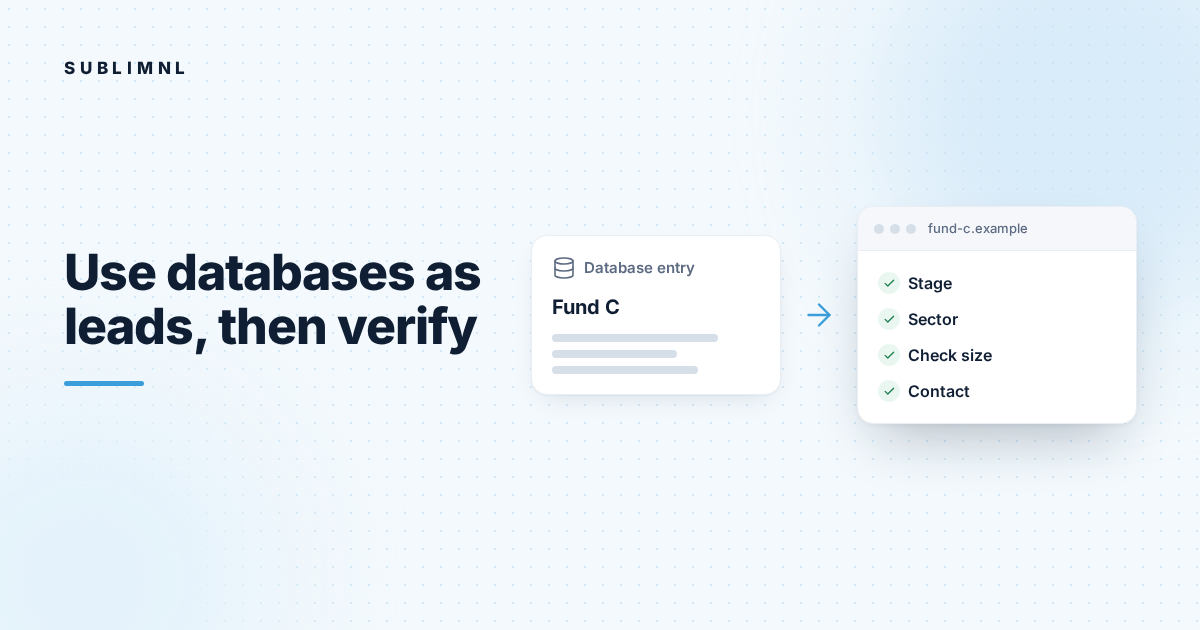
Are investor databases worth paying for?
Only pay if the list is fresh and you can see why each investor is on it. Sublimnl's list, from SEC Form D filings, is included with every plan.
The list
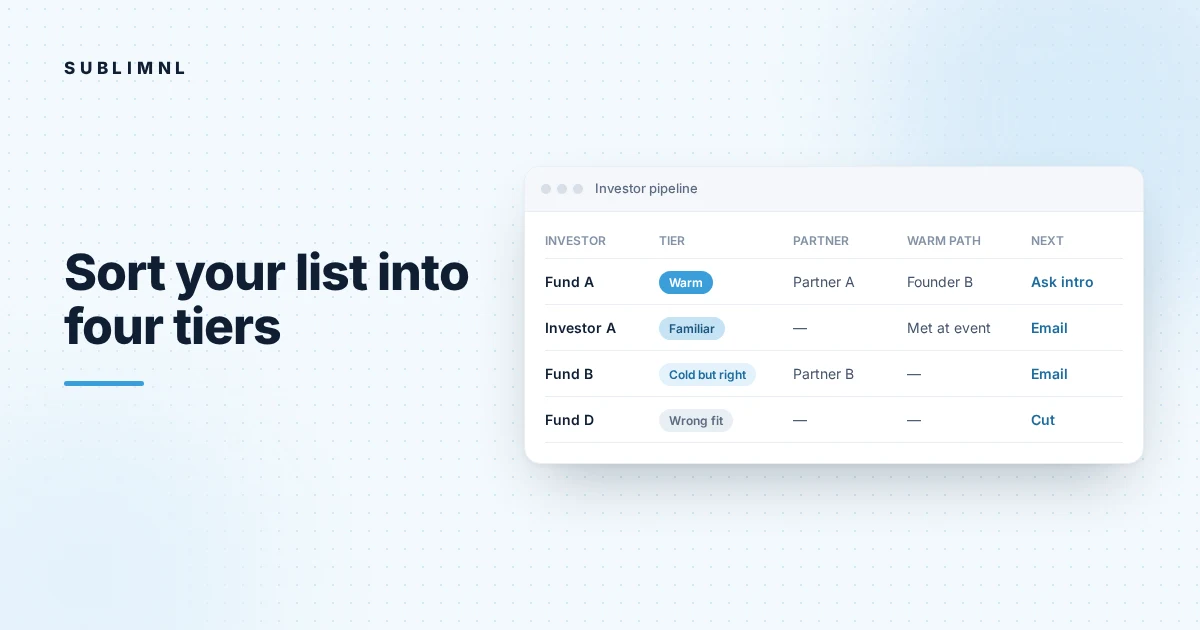
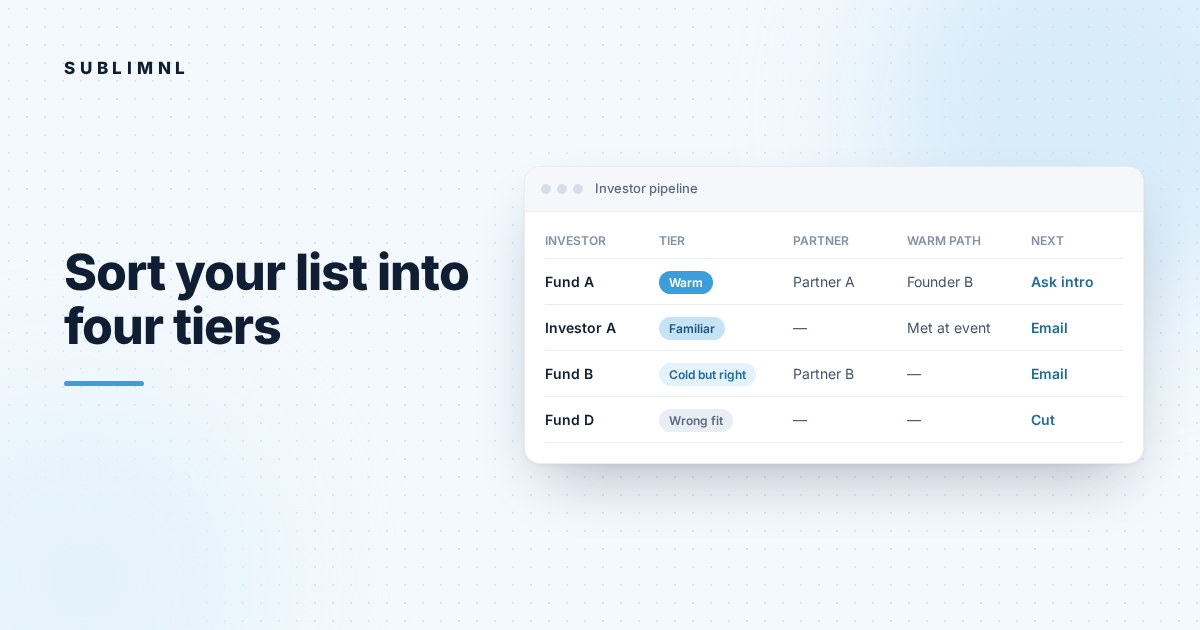
Sort your investor list into four tiers before you send
Sort investors into four tiers before you send: warm, familiar, cold but right, and wrong fit. Each gets a different first move. A simple pipeline method.
Introductions
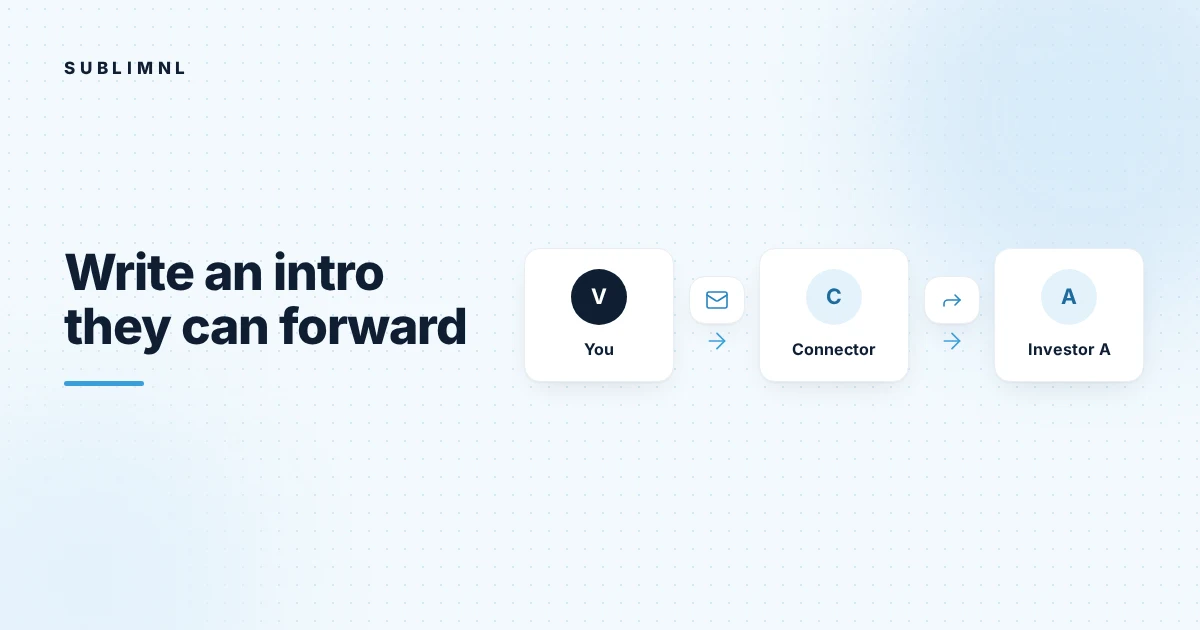
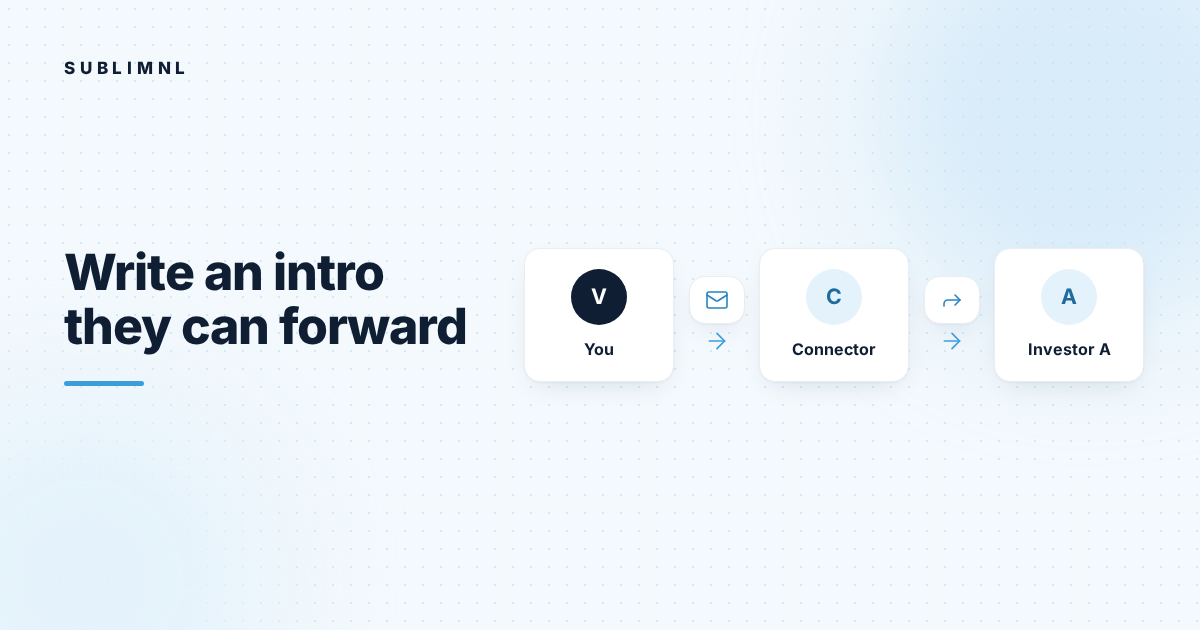
How to ask for a warm introduction to an investor
Most VC deals come through people investors know. How to ask for a warm introduction to an investor with a short note your connector can forward as is.
Email
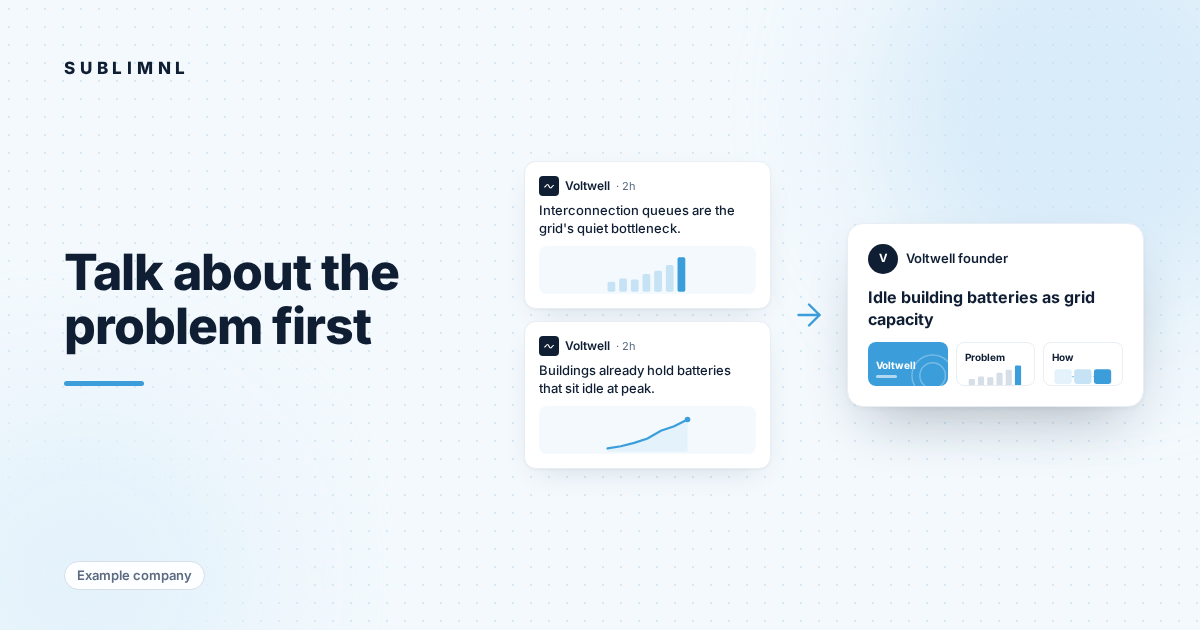
Cold emailing investors who fit: let the problem get talked about first
Should you cold email investors? Yes, if the fit is real and the email is specific. How to let the problem get talked about first, then send your deck.
The list
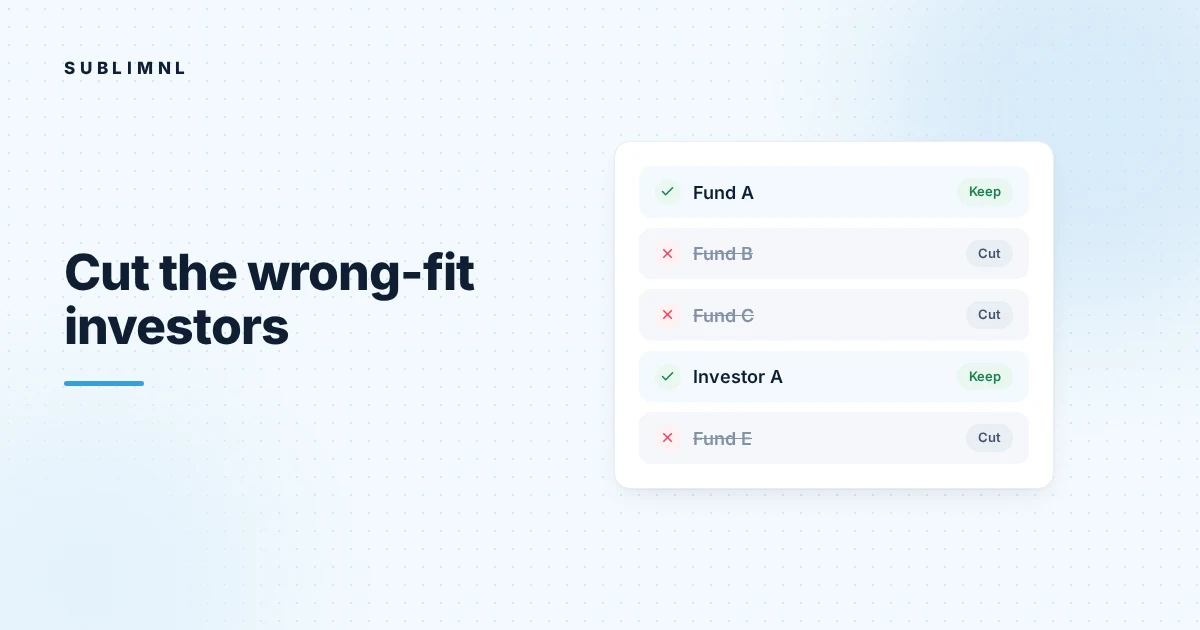
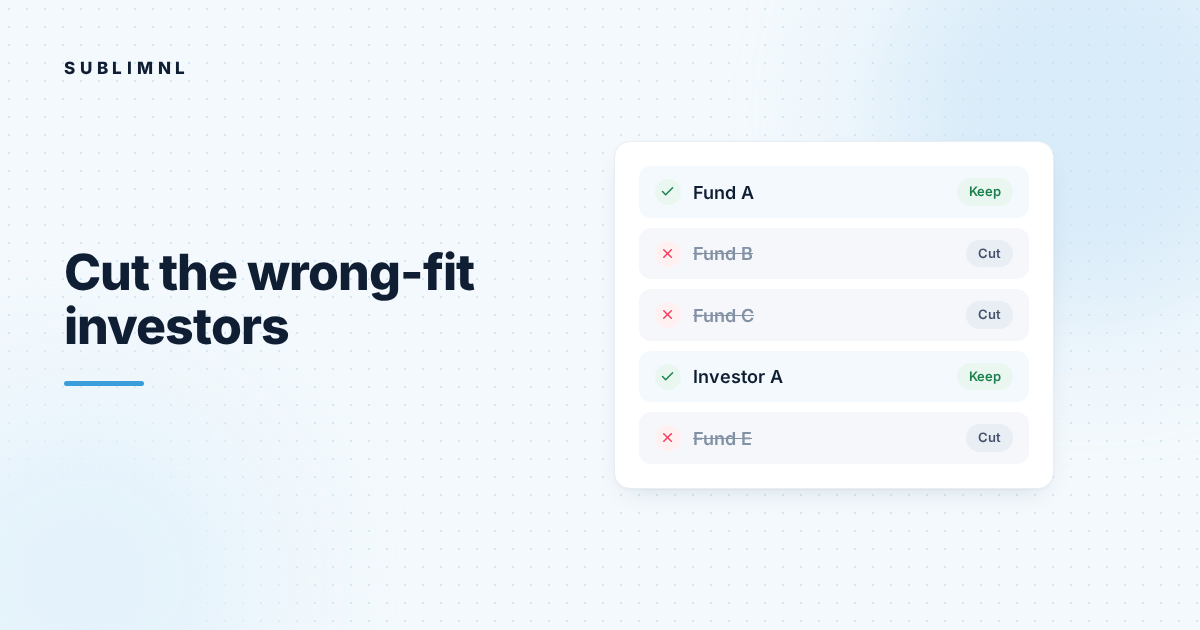
Cut the wrong-fit investors: stage, sector and region
A long list of investors who don't lead your stage is a longer list of no's. How to qualify investors on stage, sector and region, and cut wrong fits.
The list
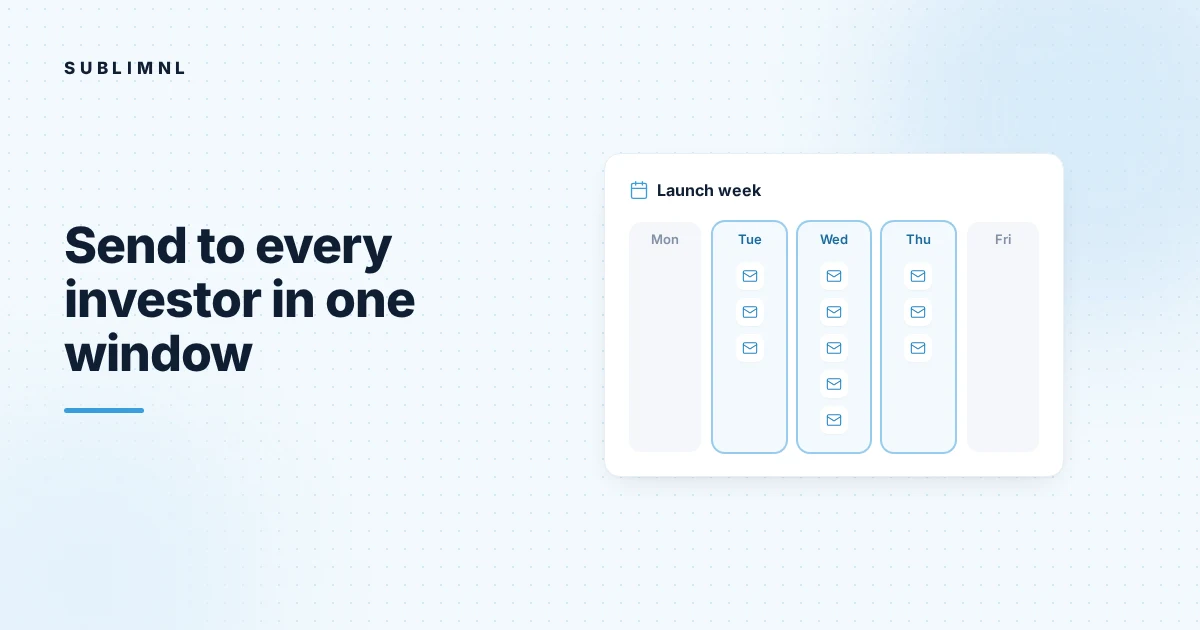
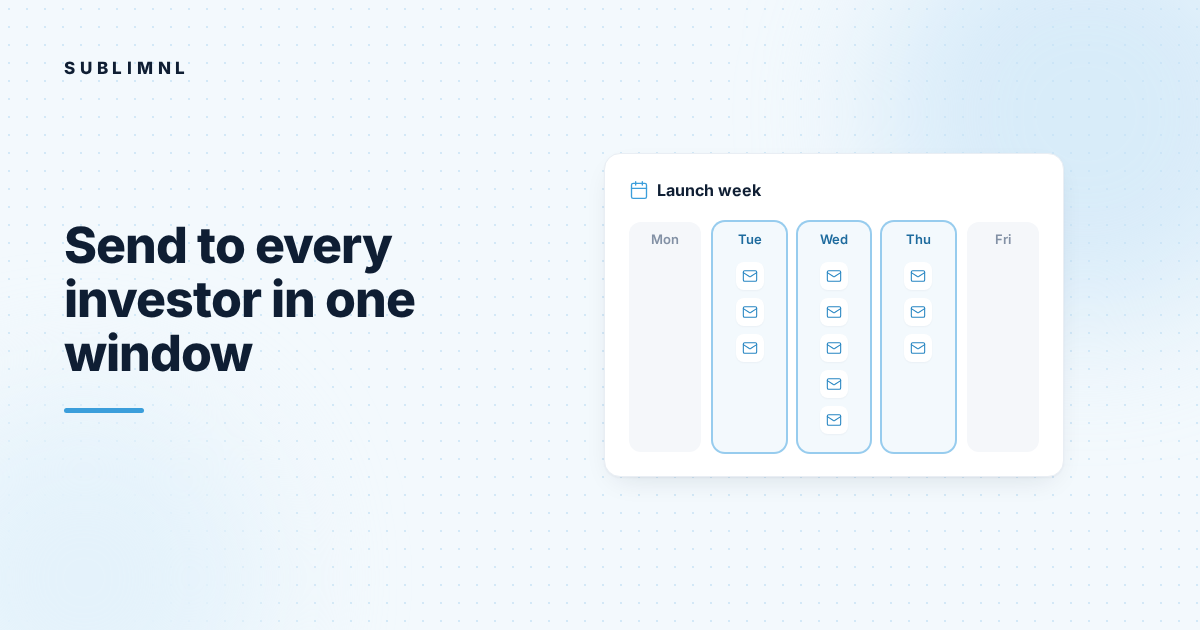
Send to every investor in one window, not over months
Send your deck to every investor in one tight window instead of one at a time over months. Why a single send day helps, and how to plan the weeks around it.
Email
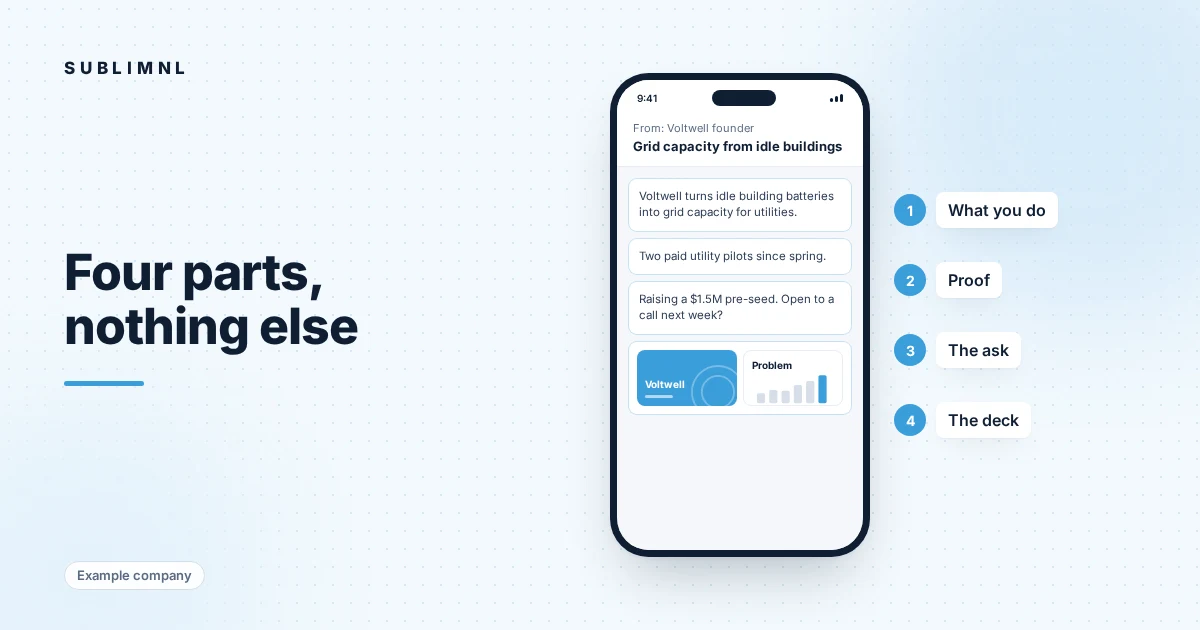
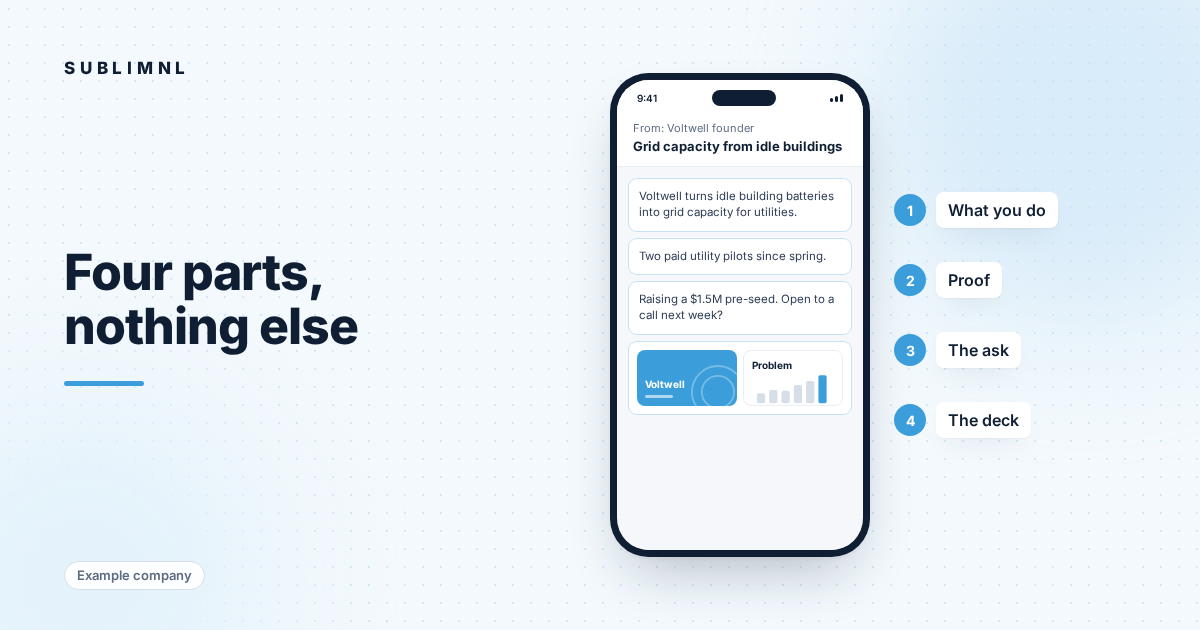
The first email to an investor: four parts, nothing else
How to email investors: one line on what you do, one line of real proof, the ask, and the deck. What each part does and what to leave out of the first email.
Email
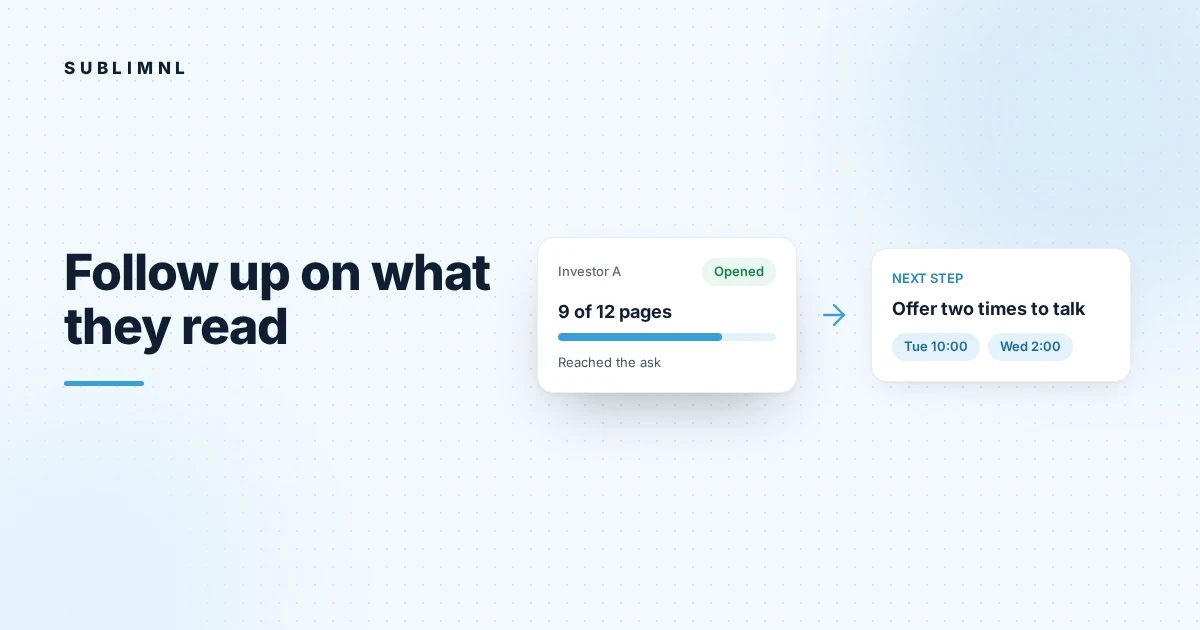
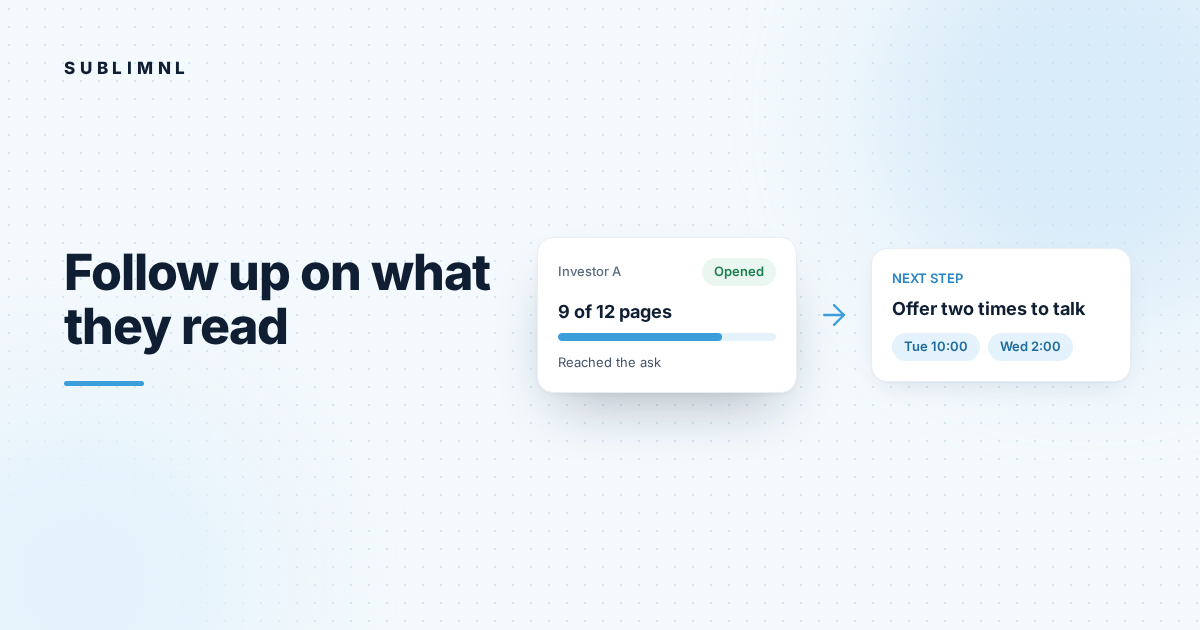
Follow up with investors on what they read, not on a schedule
Follow up with investors based on what they read, not a fixed schedule. What to send if they didn't open, skimmed, or read to the ask, and when to stop.
The list
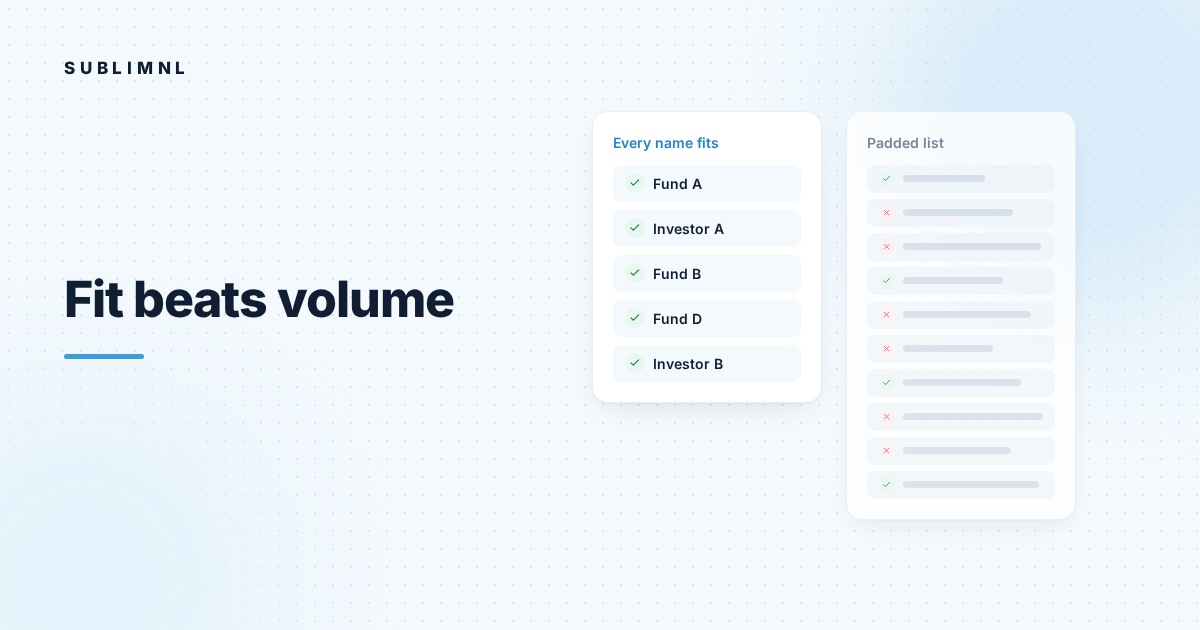
How many investors should you pitch?
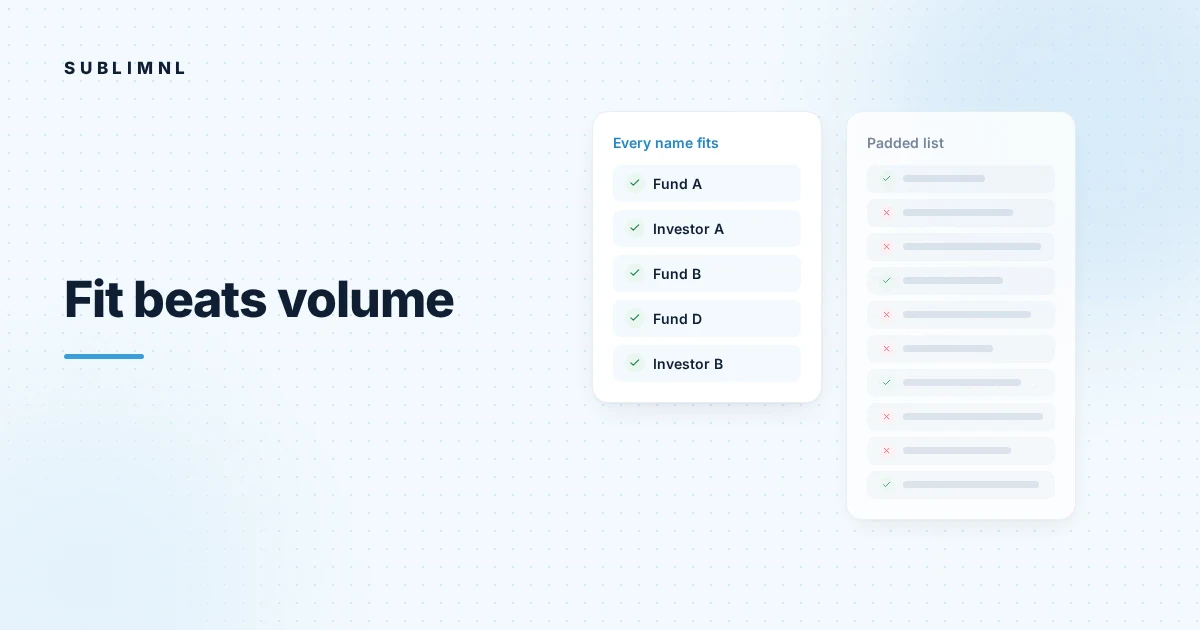
How many investors should you pitch? Enough that a handful of no's doesn't end the round, but only ones that lead your stage in your sector. Fit beats volume.
Filings
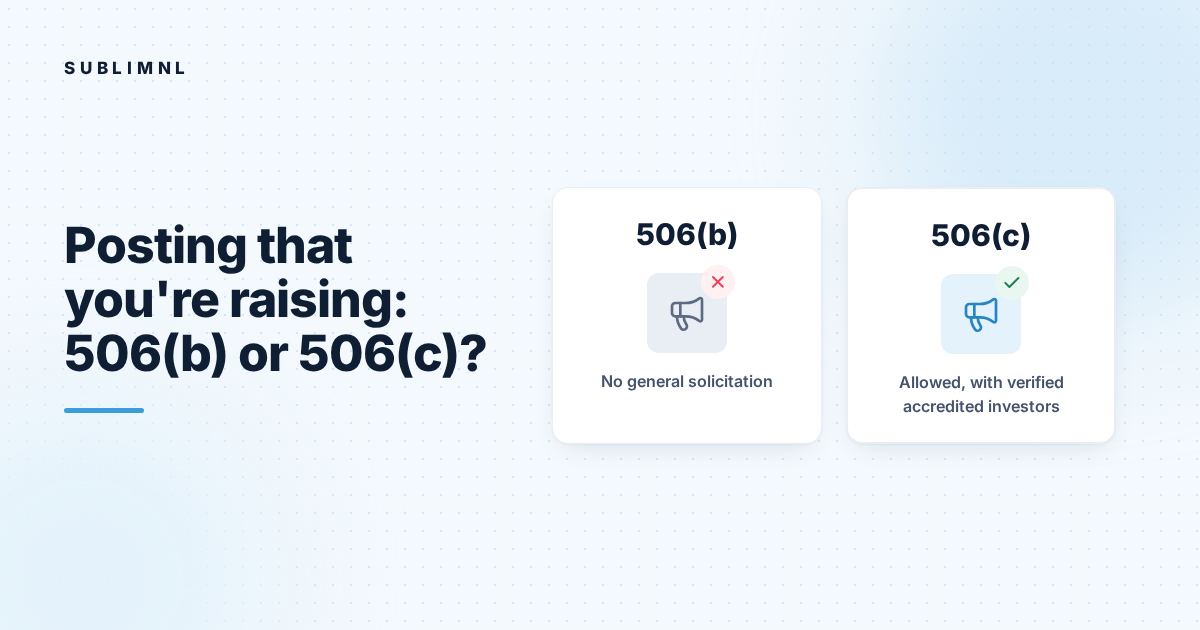
Can you post that you're raising? Rule 506(b) vs 506(c) for founders
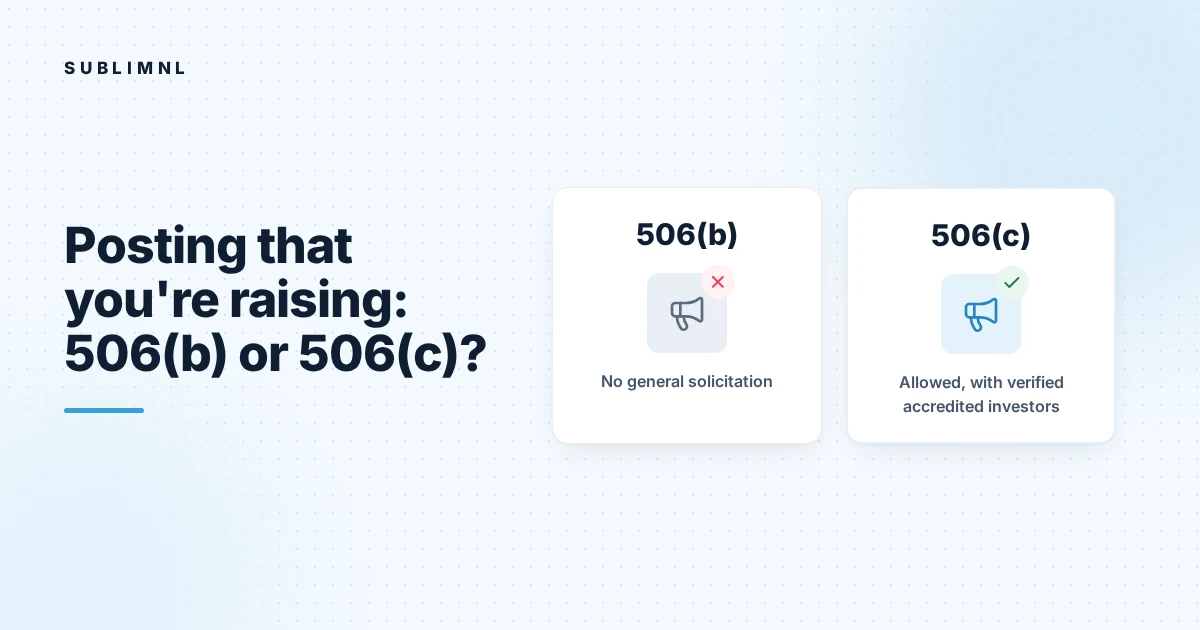
Can you post that you're raising? Rule 506(b) bars general solicitation; 506(c) allows it with verified accredited investors. What founders should know first.
Email
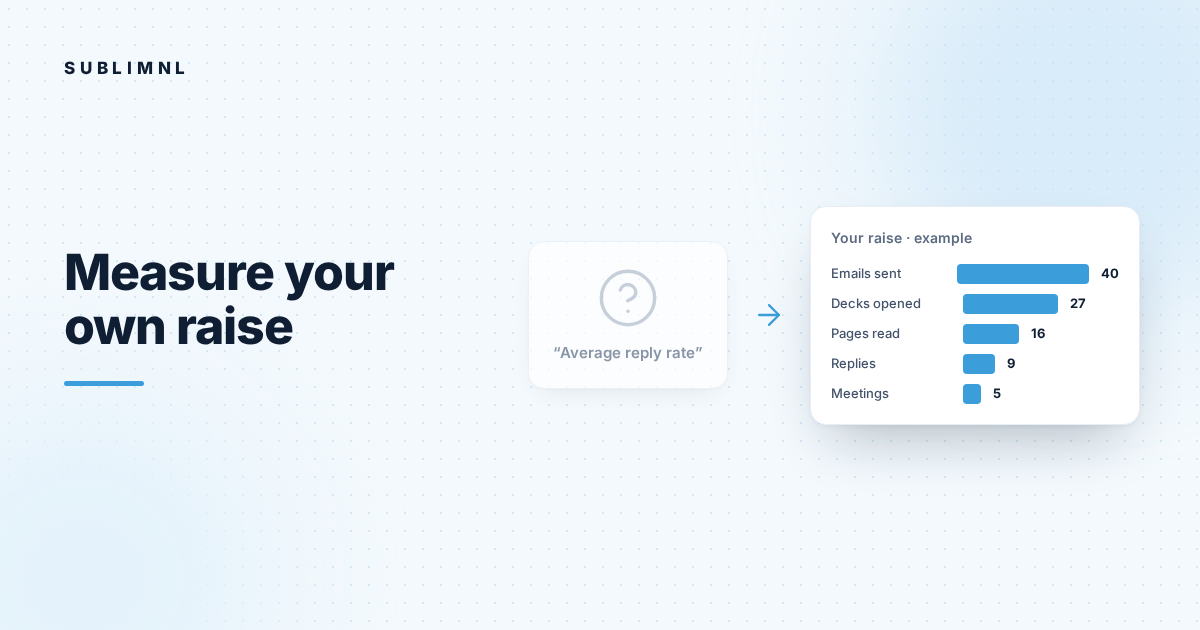
Cold investor email reply rates: why nobody has a reliable number
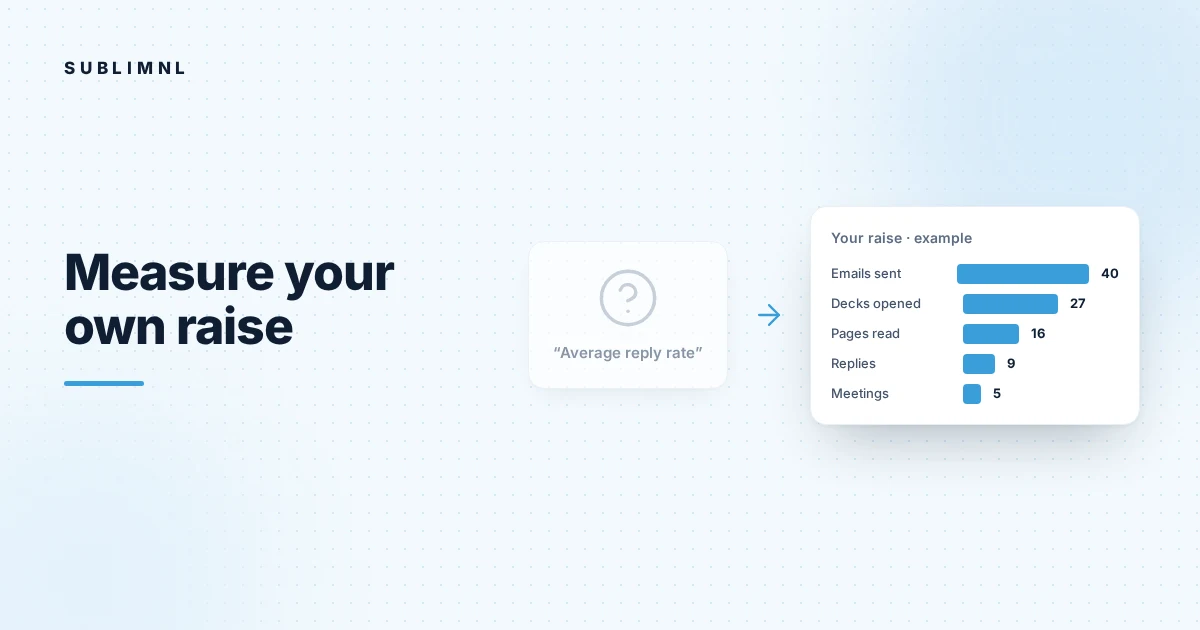
There's no reliable public data on reply rates for cold investor email. Why quoted numbers don't hold up, and what you can track during your own raise instead.
Introductions
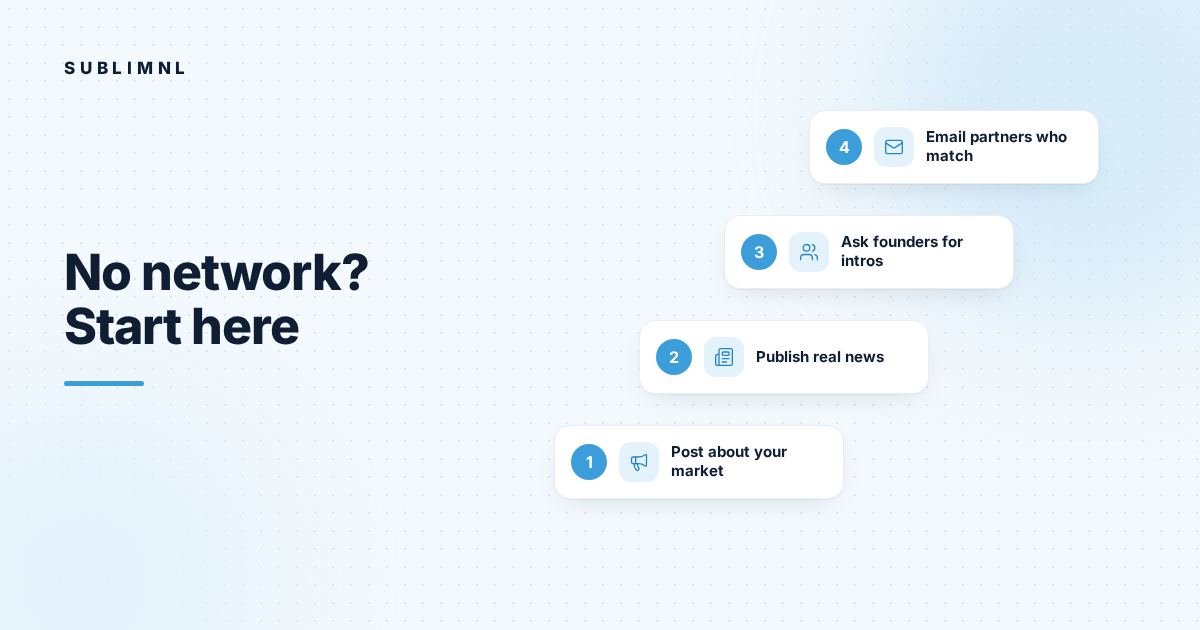
How to find investors when you don't have connections
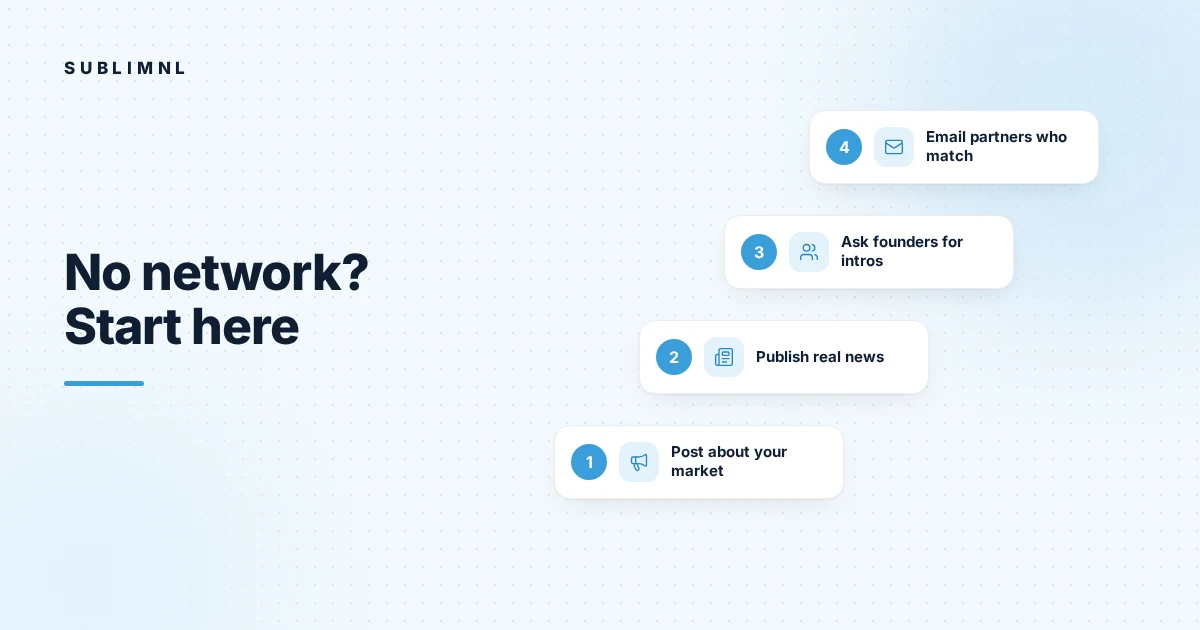
No network? Get findable first: post about your market, share real news, ask founders a step ahead for intros, then email partners whose deals match yours.
Email
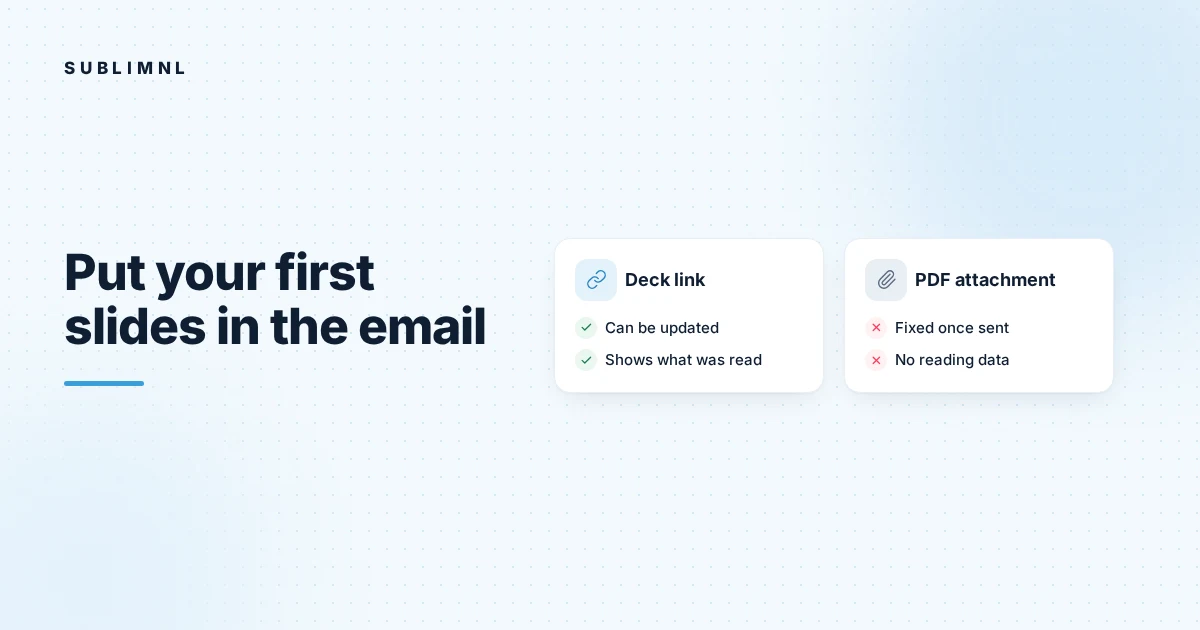
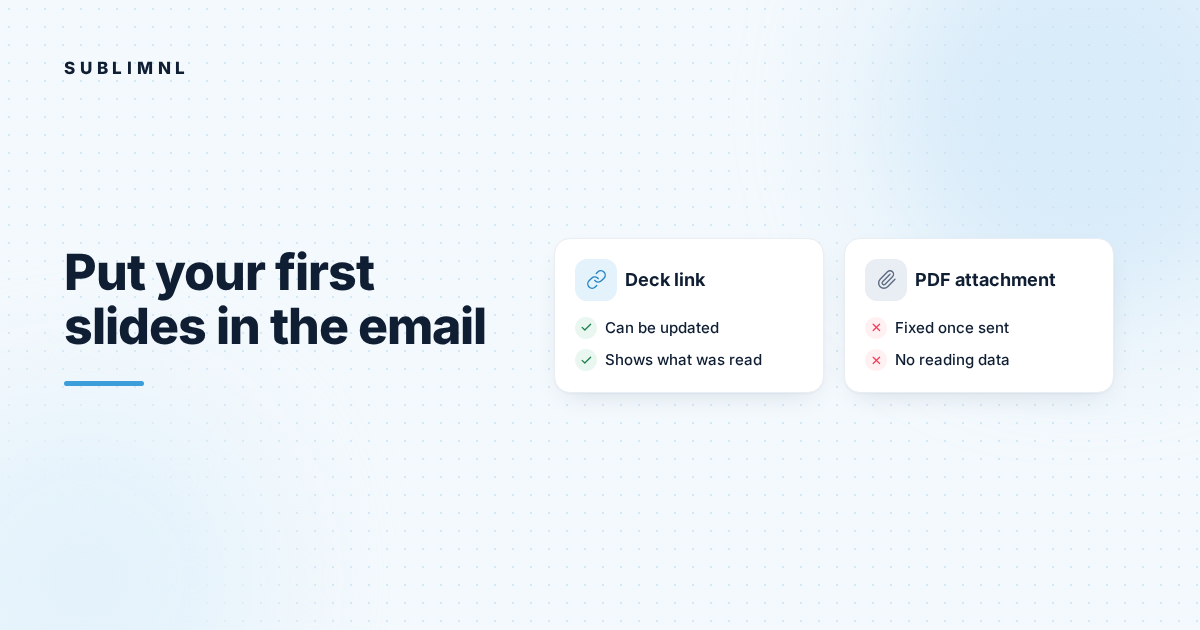
Put your first slides in the email, not behind a link
Should you attach your pitch deck or send a link? Both have trade-offs. Putting the first slides in the email lets investors judge it without clicking.
Email
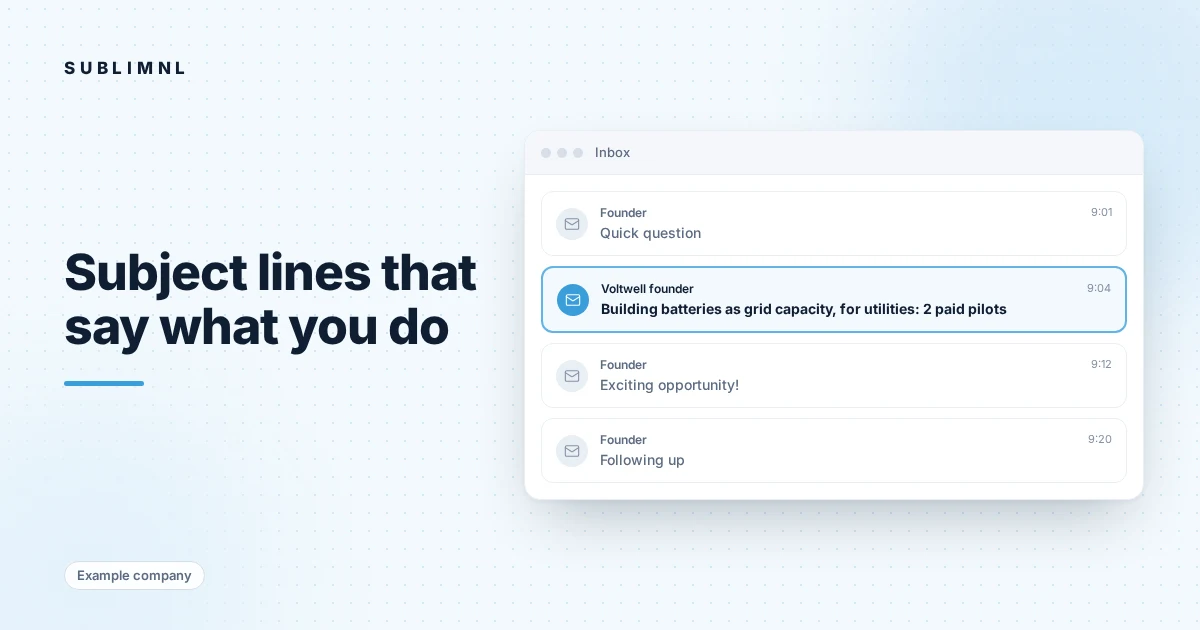
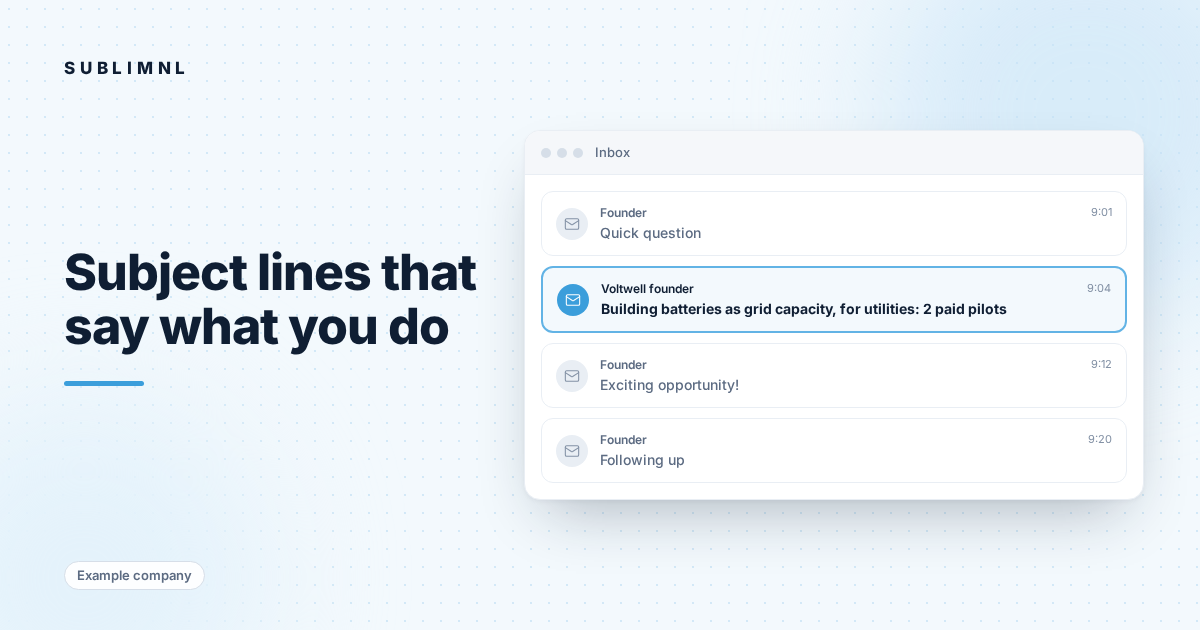
Investor email subject lines that say what you do
A good pitch email subject line says what you do, who it's for and one real proof point. The pattern to use, fictional examples, and the vague hooks to avoid.